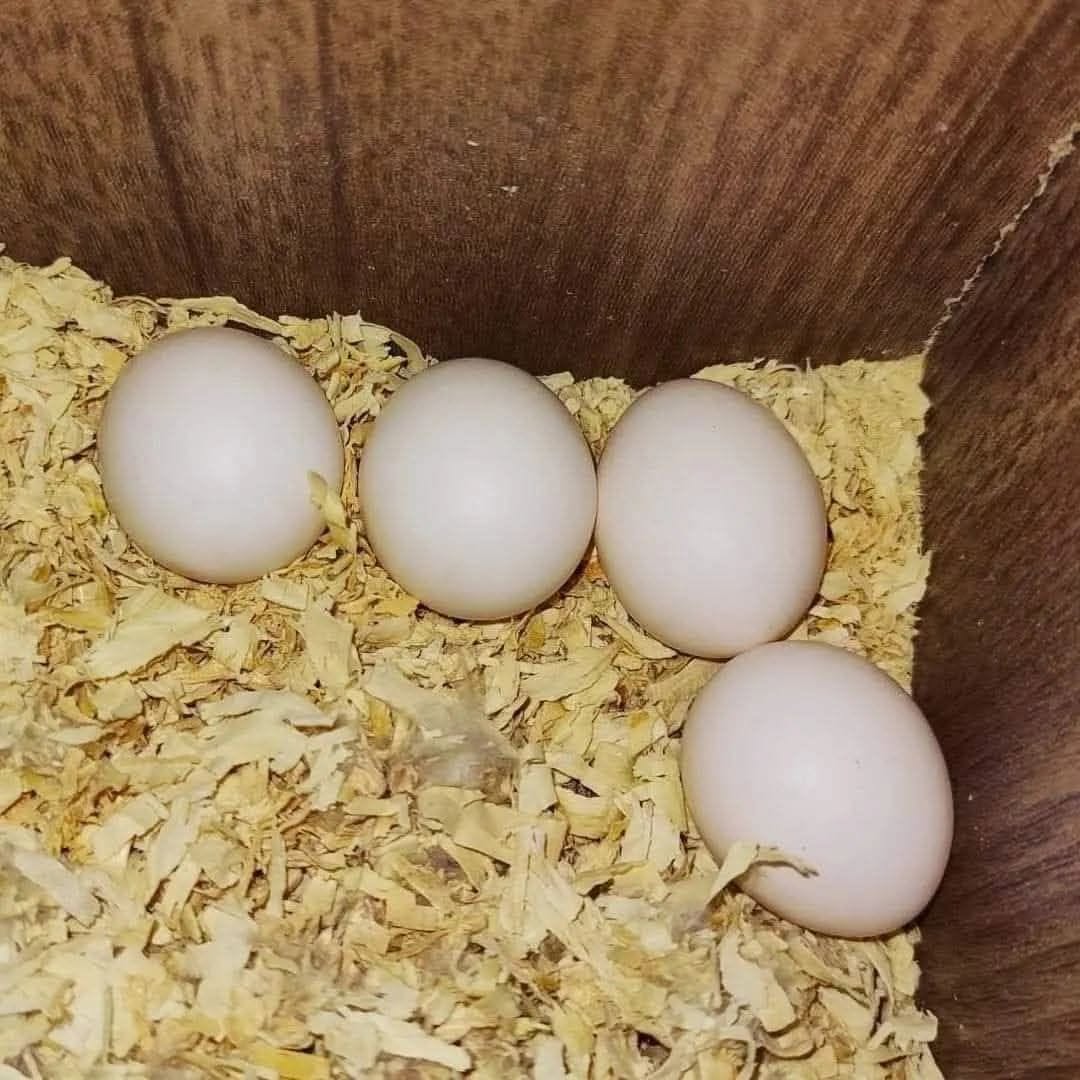
Red-Tailed Black Cockatoo Parrot Eggs
$60.00
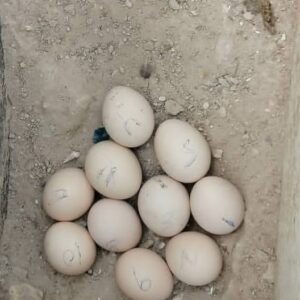
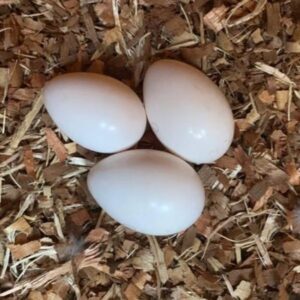
Fresh, healthy Red-Tailed Black Cockatoo parrot eggs, DNA sex-tested for males and females. Only 3 days old. Guaranteed 100% safe shipping and delivery.
Description
Red-Tailed Black Cockatoo Parrot Eggs: Comprehensive Breeder’s Guide & Incubation Insight
The Red-Tailed Black Cockatoo (Calyptorhynchus banksii) is widely regarded as one of Australia’s most breathtaking native avian species. Celebrated for its deep obsidian plumage, intelligent demeanor, and signature tail feathers, this majestic bird occupies a special place in the hearts of aviculturists, wildlife conservationists, and experienced parrot enthusiasts worldwide.
Raising a Red-Tailed Black Cockatoo starting from an egg is an extraordinarily rewarding journey. However, achieving successful hatching outcomes requires precise environmental controls, specialized knowledge of cockatoo biology, and strict adherence to ethical breeding practices.
Understanding the Red-Tailed Black Cockatoo (Calyptorhynchus banksii)
Before undertaking the incubation process, understanding the unique traits and requirements of this species is essential.
Physical Characteristics & Dimorphism
-
Adult Size: Impressive wingspans reaching up to 110 cm (43 inches) and body lengths averaging 60 cm (24 inches).
-
Plumage: Males feature solid black bodies highlighted by bold, uninterrupted bright-red tail panels. Females display yellow-to-orange tail band striping accompanied by delicate yellow spots across the head and neck.
-
Beak Structure: Formidably strong, adapted in the wild to crack open tough woody capsules like eucalyptus nuts, casuarina seeds, and banksia cones.
Temperament & Social Needs
Red-Tailed Black Cockatoos are highly social, deeply curious, and remarkably expressive. When hand-raised from hatching, they establish profound bonds with their caretakers. Because they possess significant intelligence, they require routine cognitive enrichment, expansive flight space, and long-term commitment, as their lifespan can easily exceed 50 to 70 years under expert care.
Critical Factors for Incubating Red-Tailed Black Cockatoo Eggs
Successful incubation demands rigorous consistency. Cockatoo eggs are sensitive to subtle fluctuations in temperature, relative humidity, and airflow.
| Parameter | Recommended Range | Key Considerations |
| Incubation Temperature | 37.0°C – 37.2°C (98.6°F – 99.0°F) | Use a calibrated forced-air digital incubator to prevent hot spots. |
| Relative Humidity (RH) | 40% – 50% initial RH | Target a total egg weight loss of 12% to 15% across the incubation period. |
| Incubation Duration | 28 to 30 Days | Monitor development using candling techniques at weekly intervals. |
| Turning Frequency | 4 to 8 times daily (Automated) | Cease turning 3 days prior to anticipated hatching (the lockdown phase). |
| Hatching Humidity | 65% – 75% RH | Higher humidity softens the shell membrane during internal and external pipping. |
Step-by-Step Incubation Protocol
1. Preparation & Sanitation
Cleanliness is vital to protect porous eggshells from bacterial contamination.
-
Disinfect the incubator using an avian-safe antibacterial solution prior to set up.
-
Run the incubator for at least 24 to 48 hours before placing eggs inside to verify that temperature and humidity readings remain stable.
2. Egg Handling & Positioning
-
Handle eggs only with clean, dry hands or sterile nitrile gloves.
-
Position eggs lying horizontally or with the air cell (broad end) tilted slightly upward.
-
Avoid sudden shocks or excessive vibration during placement.
3. Monitoring Development via Candling
Candling involves shining a high-intensity cool LED light through the shell in a darkened room to evaluate embryonic progress:
-
Day 7: Look for a visible spider-like network of red blood vessels radiating from the embryo.
-
Day 14: Observe clear embryonic movement and a expanding air cell structure.
-
Day 21: The egg should appear mostly opaque except for the distinct, clear air cell at the top.
-
Day 27–28: Internal pipping occurs as the chick pierces the membrane into the air cell, followed shortly by external pipping.
Neonatal Care: Post-Hatch Management
Once hatching occurs, the chick transitions into a highly vulnerable neonate phase requiring specialized brooder conditions:
-
Brooding Environment: Keep newly hatched chicks in a dedicated brooder maintained at approximately 35°C (95°F), gradually reducing the temperature as feather down develops.
-
Hygiene & Bedding: Use sterile, non-toxic paper towels or specialized medical bedding to maintain clean footing and prevent joint issues.
-
Initial Feeding: Allow the chick to fully absorb its remaining yolk sac before introducing commercial hand-rearing formulas formulated specifically for high-fat cockatoo dietary requirements.
-
Hydration & Crop Monitoring: Ensure the formula is served at 40°C–41°C (104°F–106°F) to prevent crop stasis or thermal burns, monitoring crop emptying between feedings.
Legal Compliance & Ethical Aviculture
The Red-Tailed Black Cockatoo is a protected native species under Australian state and federal environmental regulations (such as the EPBC Act), as well as international trade treaties under CITES (Convention on International Trade in Endangered Species).
-
Permits & Licensing: Depending on your jurisdiction, owning, breeding, or incubating native black cockatoo species requires specific wildlife keeper permits and legal documentation.
-
Conservation Commitment: Ethical aviculture prioritizes maintaining genetic diversity, preventing wild poaching, and supporting habitat conservation initiatives across indigenous Australian ecosystems.
Frequently Asked Questions (FAQs)
How long does a Red-Tailed Black Cockatoo egg take to hatch?
Under standard incubation conditions, Red-Tailed Black Cockatoo eggs typically hatch within 28 to 30 days.
What should I do if an egg fails to pit by Day 30?
If candling shows a live embryo past the expected hatch date without progress, consult an experienced avian veterinarian or master breeder immediately to evaluate whether gentle intervention is necessary.
Are Red-Tailed Black Cockatoos suitable for beginner bird owners?
No. Due to their extreme intelligence, long lifespan, large physical size, and complex behavioral and dietary needs, Red-Tailed Black Cockatoos are best suited for experienced aviculturists, sanctioned breeders, and dedicated sanctuary operators.