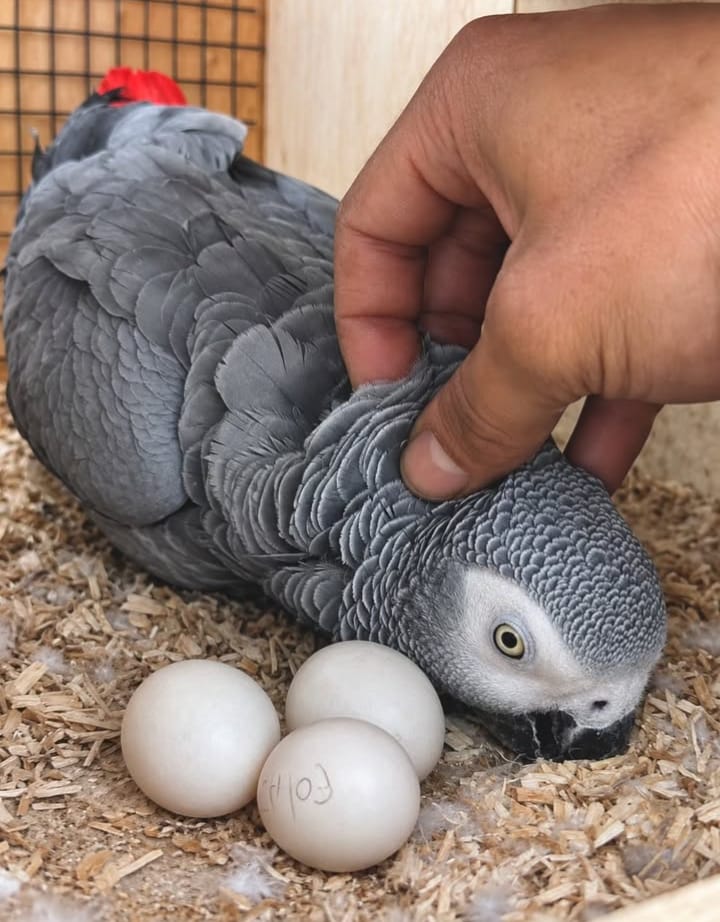
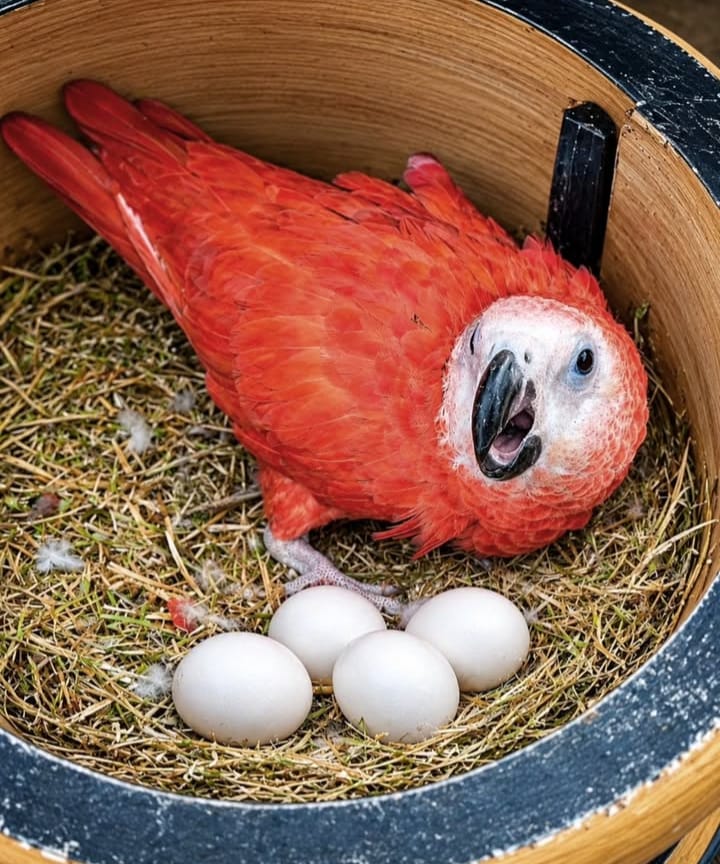
Red Factor African Grey Parrot Eggs
$80.00
Description
Premium Fresh Red Factor African Grey Parrot Eggs: Complete Breeder Guide & Availability
Raising a Red Factor African Grey from an egg is one of the most rewarding experiences for dedicated aviculturists and exotic bird breeders. Known for their striking red feather mutations, remarkable cognitive abilities, and deep bonding capacity, Red Factor African Greys (Psittacus erithacus) represent a rare and highly sought-after lineage in modern aviculture.
Our fertile Red Factor African Grey parrot eggs are sourced from healthy, genetically tested breeding pairs, carefully collected, and prepared for safe transit to ensure optimal embryonic viability.
Product Specifications & Key Details
| Attribute | Specification Details |
| Species Lineage | African Grey (Psittacus erithacus) – Red Factor Mutation |
| Source Pair Quality | Disease-tested, high-vitality adult breeding stock |
| Collection & Condition | Freshly laid, turn-checked, and unwashed to preserve natural cuticle |
| Optimal Incubation Time | 28 to 30 days |
| Ideal Audience | Experienced breeders, licensed aviculturists, and specialized bird farms |
Why Choose Red Factor African Grey Eggs?
1. Distinctive Genetic Lineage
Unlike standard African Greys with traditional crimson tail feathers, the Red Factor mutation exhibits varying degrees of vivid red pigment throughout the chest, wings, and body. Sourcing eggs from verified Red Factor parentage increases the likelihood of producing birds with striking visual traits.
2. Deep Bonding Potential
Hand-raising an African Grey chick from the moment of hatching creates a powerful bond. Owners and breeders who manage the hand-feeding and weaning stages often experience unparalleled trust and companionship with their birds.
3. High Hatchability Standards
Every egg is inspected for proper shell integrity, density, and fertility indicators prior to preparation. Handled with sterile techniques, the natural protective cuticle (bloom) remains intact to shield against bacterial contamination during shipping.
Essential Incubation Guidelines for Maximum Hatching Success
To achieve high hatch rates, African Grey parrot eggs demand precise environmental controls. Below are baseline recommended settings for digital incubators:
-
Incubation Temperature: Maintain a constant 37.2°C – 37.5°C (99.0°F – 99.5°F).
-
Relative Humidity (Days 1–25): Maintain 40% – 48% relative humidity (monitored via wet-bulb temperature or digital hygrometer). Target weight loss should average 12% to 15% throughout the incubation cycle.
-
Egg Turning: Turn eggs automatically or manually at least 4 to 8 times daily (stop turning on Day 25 during lockdown).
-
Lockdown & Hatching (Days 26–28): Increase humidity to 60% – 65% to assist the chick during internal and external pipping.
Note: Avian egg incubation requires specialized equipment, calibration, and hand-feeding expertise once hatching occurs.
Safe Handling, Packaging, and Shipping
Shipping fertile parrot eggs requires specialized protective measures to preserve embryonic stability:
-
Shock-Absorbent Insulation: Eggs are secured in custom foam inserts designed to absorb transport vibrations.
-
Thermal Regulation: Temperature-controlled packaging protects eggs against sudden heat or cold spikes during transit.
-
Express Dispatch: Timed shipping schedules minimize transit duration so eggs arrive promptly for immediate placement into your incubator.
Frequently Asked Questions (FAQs)
How long does it take for a Red Factor African Grey egg to hatch?
African Grey parrot eggs typically incubate for 28 to 30 days. Variations can occur depending on incubator temperature precision and egg size.
What equipment do I need before ordering parrot eggs?
You should have a fully calibrated, forced-air digital incubator, a digital hygrometer, a high-intensity candling lamp, and a complete hand-feeding setup (including brooder, specialized chick formula, and feeding syringes) ready prior to egg arrival.
How can I verify if the egg is developing?
Candle the egg gently using a cool LED candling light on Day 7 and Day 14. You should see a clear network of red blood vessels radiating from the embryo by the end of the first week.
Additional information
| Payment Method | Bitcoin, Cash App, MoneyGram, Western Union, Wire Transfer, Zelle |
|---|