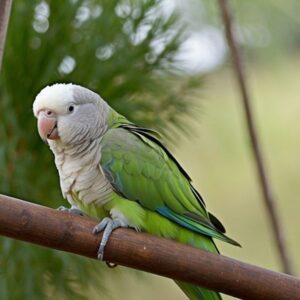
Lovebirds for Sale – Colorful, Affectionate, and Playful Parrot Companions
Searching for lovebirds for sale online? Exotic Global Birds Farm offers a wonderful selection of charming lovebirds known for their beautiful colors, lively personalities, and affectionate nature. These small parrots can make delightful companions for bird enthusiasts, whether you are a first-time bird owner or an experienced parrot keeper.
With their playful behavior, curious minds, and strong social instincts, lovebirds have become popular pet birds among people who appreciate the unique bond that birds can develop with their owners.
What Are Lovebirds?
Lovebirds, belonging to the scientific genus Agapornis, are small parrots native to Africa and Madagascar. They are famous for their colorful feathers and close social bonds with their mates and companions. Their affectionate behavior is one of the reasons they are commonly known as lovebirds.
Most lovebirds measure approximately 5–7 inches in length, making them compact compared with many other parrot species. However, their small stature does not limit their personalities. These energetic birds are intelligent, inquisitive, and playful, and they benefit greatly from regular interaction, enrichment, and a comfortable living environment.
At Exotic Global Birds Farm, we understand that choosing a pet bird is an important decision. Learning about lovebirds’ personalities, daily needs, and long-term care requirements can help you determine whether one of these colorful parrots is the right addition to your household.
Why Make Lovebirds Your Pet Birds?
Lovebirds offer a combination of beauty, intelligence, and entertaining behavior. Here are some of the qualities that make them appealing to bird lovers.
1. Affectionate and Social Personalities
Lovebirds are naturally social animals that often develop strong attachments to their mates and familiar companions. When raised and handled appropriately, they can become comfortable interacting with their human caregivers.
Every bird has its own temperament, so affection levels and willingness to be handled may vary. Consistent, gentle socialization helps build trust and encourages positive interactions.
2. Beautiful Colors and Attractive Feather Patterns
One of the most appealing features of lovebirds is their striking appearance. Depending on the species and color mutation, their plumage may feature combinations of green, blue, yellow, orange, red, and other attractive shades.
Popular varieties include peach-faced lovebirds, Fischer’s lovebirds, and masked lovebirds. Their distinctive facial markings and vibrant feathers make them a favorite among people who enjoy keeping ornamental and companion birds.
3. Intelligent, Curious, and Entertaining
Lovebirds are active parrots that enjoy exploring their surroundings. They often investigate new objects, manipulate toys, climb around their cages, and engage in playful activities.
Providing appropriate toys, foraging opportunities, and supervised exercise helps keep them mentally stimulated. Daily interaction also gives owners opportunities to develop trust and encourage positive behaviors.
4. Compact Birds for Different Living Environments
Because lovebirds are relatively small, they can be suitable for apartments and houses where space is limited. Nevertheless, their compact size does not mean they require little attention or minimal housing.
A properly sized cage, safe perches, enrichment items, regular exercise, and a suitable environment are essential. Owners should also consider their vocalizations, activity levels, and social needs before bringing a lovebird home.
Types of Lovebirds Available at Exotic Global Birds Farm
At Exotic Global Birds Farm, we aim to help bird enthusiasts discover lovebirds that suit their preferences and experience levels. Availability may vary depending on the species, age, and breeding season.
Peach-Faced Lovebirds
Peach-faced lovebirds, also known as rosy-faced lovebirds, are recognized for their colorful plumage and peach or pinkish facial markings. Their lively personalities and attractive appearance make them a popular choice among companion-bird enthusiasts.
These birds are active, curious, and playful. They benefit from regular social interaction, suitable enrichment, and opportunities to exercise.
Fischer’s Lovebirds
Fischer’s lovebirds are admired for their colorful feathers, often featuring green bodies, orange facial markings, and contrasting colors around the head and chest. Captivating in appearance, they are popular with people who appreciate small parrots with distinctive markings.
Like other lovebirds, Fischer’s lovebirds need a balanced diet, secure housing, mental stimulation, and consistent care.
Masked Lovebirds
Masked lovebirds, sometimes called yellow-collared lovebirds, are easily recognized by their dark facial masks and bright yellow collar markings. Their contrasting colors give them a distinctive and attractive appearance.
These social, energetic parrots require daily enrichment and an environment that supports their natural behaviors.
Lovebirds With Special Color Mutations
Some lovebirds display distinctive color variations produced through selective breeding. Depending on availability, these may include blue, yellow, pied, and other recognized color mutations.
When choosing a bird, prospective owners should consider more than its appearance. Health, age, temperament, appropriate socialization, and reliable information about its background are equally important.
Hand-Raised and Young Lovebirds
Young lovebirds that have been properly socialized may gradually become comfortable around people. However, hand-raised birds still need patient handling, a suitable environment, and consistent care.
Any young bird should be fully weaned and independently eating an appropriate diet before being placed in a new home. Prospective owners should confirm the bird’s age, weaning status, health history, and feeding requirements before purchasing.
For information about currently available lovebirds, contact Exotic Global Birds Farm to discuss the available species and their individual care needs.
Lovebird Care: Creating a Healthy and Happy Environment
Lovebirds can be rewarding pets, but responsible ownership requires an understanding of their daily needs. Proper nutrition, appropriate housing, veterinary care, and social engagement all contribute to their well-being.
How Long Do Lovebirds Live?
With suitable nutrition, good housing, regular veterinary attention, and responsible care, lovebirds can often live for approximately 10–15 years or longer. Their lifespan varies according to genetics, species, environment, and overall health.
Before purchasing a lovebird, consider the long-term commitment involved. These birds may remain part of your household for many years and need dependable care throughout their lives.
What Should Lovebirds Eat?
A nutritious, varied diet supports healthy feathers, normal activity, and overall well-being. A suitable feeding plan may include:
- Quality formulated pellets: These can provide the nutritional foundation of a balanced diet when recommended for the bird’s species and life stage.
- Fresh vegetables: Offer suitable vegetables such as leafy greens, carrots, and broccoli as part of a varied diet.
- Limited fruit: Small portions of bird-safe fruits can provide variety.
- Seeds: Seeds may be included in appropriate quantities, but an all-seed diet is generally not nutritionally balanced.
Provide clean, fresh drinking water every day. Avoid toxic foods such as avocado, chocolate, caffeine, and alcohol. If you are unsure whether a particular food is safe, consult an avian veterinarian.
Choosing the Right Cage and Accessories
Lovebirds need a secure, spacious enclosure that allows them to stretch their wings, climb, move around, and play comfortably. A cage with adequate horizontal space is especially useful for active birds.
A suitable setup should include:
- Secure cage construction and appropriately spaced bars.
- Perches of different safe sizes and textures.
- Bird-safe toys and enrichment activities.
- Food and water containers that are easy to clean.
- Opportunities for supervised exercise outside the cage in a bird-safe room.
Keep the cage away from kitchen fumes, smoke, aerosols, extreme temperatures, and other environmental hazards. Clean food bowls, water containers, and cage surfaces regularly.
Social Interaction and Companionship
Lovebirds are social birds that benefit from daily interaction and mental stimulation. Without adequate enrichment, they may become bored, stressed, or develop unwanted behaviors.
Some owners choose to keep a single lovebird and provide regular companionship, while others prefer compatible pairs. Neither arrangement eliminates the need for proper care. Birds kept together should be monitored for aggression, and introductions should be managed carefully.
A strong bond with a human caregiver does not replace the need for appropriate bird-to-bird social opportunities when these are beneficial for the individual bird.
Buying Healthy Lovebirds Online From Exotic Global Birds Farm
Choosing a lovebird from a responsible source is an important step toward successful bird ownership. At Exotic Global Birds Farm, our goal is to help prospective owners find suitable feathered companions while understanding the responsibilities of keeping parrots.
Before purchasing, ask for clear information about the bird’s species, age, current diet, weaning status, health history, and temperament. You should also receive practical guidance on helping the bird adjust to its new environment.
When evaluating a seller, look for the following:
- Health information: Ask about the bird’s health history and any veterinary examinations or testing performed.
- Socialization details: Learn how the bird has been handled and how it responds to people.
- Feeding guidance: Confirm the bird’s current diet and how to maintain a nutritionally balanced feeding routine.
- Responsible placement: Ensure the bird is fully weaned and ready for independent care.
- Transport arrangements: Discuss safe transportation, applicable permits, and any relevant animal-welfare requirements.
- Ongoing support: Choose a seller willing to answer questions about the bird’s transition and long-term care.
We encourage prospective owners to make informed decisions rather than choosing a bird based solely on color, price, or appearance.
Is Worldwide Shipping Available?
Shipping live birds requires careful planning, specialized transport arrangements, and compliance with the laws of the countries involved. Requirements may include veterinary certificates, import permits, export authorization, and other documentation.
Before placing an order, confirm the delivery destination, transport method, applicable legal requirements, and whether the seller can lawfully arrange the proposed shipment. Never assume that international shipping is available to every destination.
Contact Exotic Global Birds Farm directly to ask about current availability, purchasing procedures, transport options, and the documentation required for your location.
Frequently Asked Questions About Lovebirds for Sale
1. Are Lovebirds Good Pets for Beginners?
Lovebirds can be suitable for first-time bird owners who are prepared to learn about their care. They need daily attention, appropriate nutrition, enrichment, and consistent handling. Beginners should research their needs carefully before making a commitment.
2. How Much Do Lovebirds Cost?
The price of a lovebird depends on its species, age, color mutation, background, and availability. Veterinary records, transport arrangements, and other related expenses may also affect the total cost. Contact Exotic Global Birds Farm for current availability and pricing information.
3. Can Lovebirds Learn to Talk?
Lovebirds are not generally known for extensive talking abilities. Some may imitate sounds or learn a few words, but this varies considerably between individuals. Their playful behavior and social personalities are often more noticeable than their talking ability.
4. Is It Better to Keep One Lovebird or Two?
Both arrangements can work when the birds’ individual needs are met. A single lovebird may need substantial daily interaction, while a pair may form a close bond with each other. Compatibility, housing space, and the possibility of breeding should be considered before keeping multiple birds.
5. What Is the Best Food for Lovebirds?
A balanced diet based on suitable formulated pellets, supplemented with appropriate vegetables and limited fruit, is generally preferable to feeding seeds alone. Dietary requirements can vary, so an avian veterinarian can help you establish a suitable feeding plan.
6. How Can I Tell Whether a Lovebird Is Healthy?
A healthy-looking lovebird is generally alert, active, and responsive, with smooth feathers, clear eyes, and normal breathing. However, birds can hide signs of illness. A veterinary examination is advisable when acquiring a new bird, even when it appears healthy.
7. Are Young Lovebirds Suitable for New Owners?
Young lovebirds can make rewarding companions when they are fully weaned, healthy, and appropriately socialized. Owners should avoid purchasing unweaned chicks unless they have the necessary specialized experience and veterinary guidance.
8. Can Lovebirds Be Kept in Apartments?
Yes, lovebirds can live in apartments when provided with suitable housing, exercise, enrichment, and regular attention. Prospective owners should remember that lovebirds can be vocal and active, so noise levels and household conditions should be considered.
9. Do Lovebirds Need Toys?
Yes. Toys and foraging activities encourage natural behaviors and provide mental stimulation. Choose bird-safe products, inspect them regularly for damage, and remove anything that presents a risk of injury.
10. How Can I Find Available Lovebirds at Exotic Global Birds Farm?
Contact Exotic Global Birds Farm to ask which species, ages, and color varieties are currently available. Before purchasing, confirm the bird’s health information, weaning status, price, and applicable transport arrangements.
Conclusion: Find Your Feathered Companion at Exotic Global Birds Farm
Lovebirds are beautiful, intelligent, and energetic parrots that can bring years of enjoyment to a well-prepared household. Their vibrant colors, curious personalities, and social nature make them appealing to bird enthusiasts with different levels of experience.
However, responsible ownership involves more than purchasing an attractive bird. Lovebirds need a balanced diet, secure housing, regular interaction, mental stimulation, and appropriate veterinary care throughout their lives.
At Exotic Global Birds Farm, we encourage prospective owners to learn about their preferred species and make informed decisions before welcoming a new companion into their homes.
If you are searching for lovebirds for sale, get in touch with Exotic Global Birds Farm to inquire about available birds, current prices, care requirements, and purchasing arrangements.
Start your journey toward responsible lovebird ownership today and discover the joy of sharing your home with these colorful feathered companions!
-
- Lovebirds for Sale
Budgerigar Birds for Sale | Healthy Budgies & Parakeets
- $75.00
- 9-Month-Old Budgerigars (Budgies) for Sale – Healthy, Tame & Ready for a New Home Meet our vibrant 9-month-old Budgies — fully grown, friendly, and easy to care for. Whether you're after a cheerful companion for your living room or office, these well-socialized birds are perfect for first-time and experienced bird owners alike.
- Add to cart
-
- Lovebirds for Sale
Cockatiel Birds for Sale – Friendly, Healthy & Hand-Raised Companion Birds
- $300.00
- Cockatiels for Sale – 10 Months Old | Healthy, Friendly & Well-Socialized Meet these beautiful 10-month-old cockatiels, available now for their forever home. Fully healthy, active, and well-socialized, they're at the perfect age for bonding — making them a great fit whether you're a first-time bird owner or an experienced parrot keeper. Cockatiels are prized for their sweet temperament, playful…
- Add to cart
-
- Lovebirds for Sale
Female Monk Parakeet Bird for Sale – Meet Ollie | Quaker Parrot
- $550.00
- Ollie sounds like a wonderful bird — Monk Parakeets (Quaker Parrots) are famous for being clever, chatty, and deeply bonded to their people once they trust you. One thing worth flagging before you post this widely: Monk Parakeets are illegal or restricted to own in several U.S. states (including California, and with permit/registration requirements in places like New York, New…
- Add to cart
-
- Lovebirds for Sale
Female Solomon Island Eclectus Parrot | Billy Elliot
- $650.00
- Female Solomon Island Eclectus Parrot (Billy Elliot) – 1 Year 3 Months Old, Fully Vaccinated, Friendly & Social Meet Billy Elliot, a stunning Female Solomon Island Eclectus Parrot, 1 year and 3 months old, known for her striking red and blue plumage and sweet, gentle temperament. Hand-raised in a loving environment and fully vaccinated, she's healthy, affectionate, and highly social—making…
- Add to cart
-
- Lovebirds for Sale
Lovebird (Agapornis) | Care, Personality, Diet & Pet Guide
- Lovebird (Agapornis) – 10 Months Old | Healthy, Playful & Affectionate Companion Bird Meet this stunning 10-month-old Lovebird, bursting with color and energy. Alert, active, and in excellent health, this young bird is ready to become the centerpiece of a caring home or a breeding pair setup. Lovebirds are famous for their affectionate, sociable personalities and their tendency to form…
- Read more
-
- Lovebirds for Sale
Male Monk Parakeet Bird – “Bam boo” | Friendly, Intelligent & Charming Quaker Parrot
- $500.00
- Bam boo is a 1 year 3 months old male Monk Parakeet with a friendly, welcoming personality. Intelligent, playful, and social, he loves interaction and bonding. With his vibrant green feathers and gentle nature, Bam boo makes the perfect companion for families or bird lovers seeking a charming, talkative parrot.
- Add to cart
-
- Lovebirds for Sale
Monk Parakeet Birds | Males & Females Available
- $500.00
- Healthy Monk Parakeets available — males and females, 1 year 3 months old. Fully vaccinated and hand-tamed, they're friendly and sociable companions. These intelligent birds bond quickly with their owners and make vibrant, affectionate pets for anyone looking to bring a lively new companion into their home.
- Add to cart
-
- Lovebirds for Sale
Solomon Island Eclectus Parrot for Sale | Meet Scooby Doo
- $600.00
- Solomon Island Eclectus Parrot (Scooby Doo) – 1 Year Old, Fully Vaccinated & Hand-Tamed Say hello to Scooby Doo, a gorgeous 1-year-old Solomon Island Eclectus Parrot known for his vivid green feathers and sweet, easygoing nature. He's fully vaccinated and hand-tamed, so he's comfortable around people and genuinely enjoys their company. Whether you're an experienced bird owner or considering your…
- Add to cart
-
- Lovebirds for Sale
Solomon Island Eclectus Parrots for Sale | Male & Female
- $600.00
- Solomon Island Eclectus Parrots – Males & Females: Stunning, hand-raised, and healthy parrots with vibrant colors, gentle temperament, and excellent talking ability. Perfect exotic companions.
- Add to cart