Vulture Birds: Nature’s Remarkable Clean-Up Crew
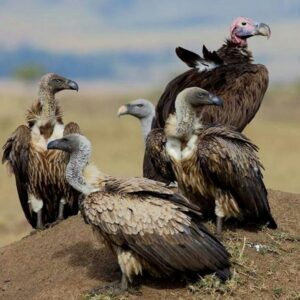
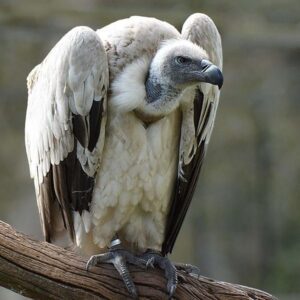
Vultures are among the most remarkable and environmentally valuable birds on the planet. As scavengers, they play a vital role in preserving ecological balance by feeding on the remains of dead animals, known as carrion. Through this natural process, vultures help remove decaying animal remains from the environment and reduce the potential spread of certain diseases.
Despite their often-negative reputation, vultures are not typically hunters. Instead, they are highly specialized scavengers equipped with exceptional eyesight and, in some species, a well-developed sense of smell. These unique adaptations allow them to locate food efficiently and perform an essential service that keeps natural ecosystems cleaner and healthier.
Why Vultures Are Essential to the Ecosystem
Vultures provide several important environmental benefits that support wildlife, human communities, and the overall health of the natural world.
- Natural Waste Removal: Vultures consume animal carcasses, helping clear away remains before they can accumulate in the environment.
- Nutrient Recycling: By feeding on dead animals, they contribute to the natural movement of nutrients back into the ecosystem.
- Disease Risk Reduction: Their feeding habits can help limit the persistence and spread of certain harmful microorganisms associated with decaying carcasses.
- Environmental Health Indicators: Vulture populations can provide valuable information about ecosystem conditions, food availability, and exposure to environmental toxins.
Without vultures, dead animal remains could persist for longer periods, potentially increasing opportunities for some disease-carrying organisms and scavengers to spread harmful pathogens. Their presence therefore contributes significantly to ecological stability.
Different Types of Vulture Birds
Vultures include numerous species with distinctive physical features, habitats, and feeding strategies. Although their appearances and behaviors differ, they share a common ecological function: consuming carrion and helping maintain environmental cleanliness.
Some well-known vulture species include:
- Griffon Vulture: A large soaring bird commonly associated with mountainous landscapes and open countryside across parts of Europe, Asia, and Africa.
- Egyptian Vulture: A relatively small, distinctive species recognized by its pale plumage and yellow face. It inhabits parts of Africa, Europe, and Asia.
- Himalayan Vulture: A large bird adapted to the high-altitude environments of the Himalayan region, where it searches for carcasses across rugged mountain terrain.
- Black Vulture: Found mainly in the Americas, this species often gathers in groups and uses its keen vision and social behavior to locate food.
- Turkey Vulture: Widespread throughout much of the Americas, this bird is especially known for its excellent sense of smell, which helps it detect hidden carcasses.
Each species has developed adaptations suited to its environment, allowing vultures collectively to perform their important scavenging role across different parts of the world.
Vulture Habitats and Global Distribution
Vultures inhabit a wide range of landscapes across Africa, Asia, Europe, and the Americas. Their distribution depends on factors such as climate, nesting opportunities, food availability, and the presence of suitable places for soaring.
Common vulture habitats include:
- Open Savannas: These landscapes provide wide views and access to carcasses from grazing animals.
- Mountainous Areas: Cliffs and rocky ledges offer suitable nesting and resting locations for many species.
- Grasslands: Open terrain makes it easier for vultures to spot other scavengers or locate exposed carcasses.
- Semi-Arid Regions and Deserts: Certain species thrive in dry environments where they can travel long distances in search of food.
Many vultures prefer regions where large mammals are common because these animals provide a dependable source of carrion. However, different species occupy different ecological niches, and some are also found in forests, wetlands, and areas close to human settlements.
Conservation Challenges Facing Vultures
Despite their ecological importance, numerous vulture species are experiencing serious population declines. These losses threaten not only the birds themselves but also the natural systems that depend on their scavenging activities.
Major threats include:
- Habitat Destruction: Agricultural expansion, urban development, and other land-use changes can reduce nesting sites and suitable feeding areas.
- Poisoning: Vultures may die after consuming carcasses contaminated with pesticides, agricultural chemicals, or poisons intended for other animals. Certain veterinary drugs have also caused severe declines in some vulture populations.
- Illegal Wildlife Trade: Some vultures are killed or captured for traditional practices, commercial trade, or other human uses.
- Food Shortages: Changes in livestock management, wildlife populations, and the availability of safe carcasses can reduce their food supply.
- Human Disturbance: Disturbance near nesting sites and collisions with infrastructure can create additional risks for vulnerable populations.
Protecting Vultures for Future Generations
Conserving vultures requires coordinated action from governments, conservation organizations, researchers, farmers, and local communities. Important measures include protecting nesting habitats, preventing the use of dangerous poisons, promoting safe veterinary practices, and educating the public about the birds’ ecological value.
Monitoring wild populations and supporting responsible conservation initiatives can also help identify threats before they cause further declines. Protecting vultures is not simply about saving a group of birds; it is about preserving an essential natural process that benefits entire ecosystems.
Fascinating Facts About Vultures
Vultures possess several remarkable characteristics that make them especially effective scavengers.
- Exceptional Soaring Ability: Many vultures can remain airborne for extended periods by using rising columns of warm air, known as thermals, which reduce the need for constant wing flapping.
- Powerful Food-Detection Skills: Some species can locate carcasses from considerable distances. Turkey vultures, in particular, have an unusually strong sense of smell compared with most other birds.
- Highly Acidic Stomach Fluids: Vultures have digestive systems adapted to consuming decaying animal tissue. Their strong stomach acids help destroy many harmful microorganisms, although this does not mean they are immune to every pathogen.
- Social Feeding Behavior: Several species gather around carcasses and may feed alongside other vultures or scavenging animals.
- Specialized Adaptations: Their broad wings, sharp eyesight, and relatively bare heads in many species help them search for food and feed efficiently.
These adaptations demonstrate how vultures have evolved to fill a specialized and indispensable role in nature.
Conclusion
Vultures are far more than birds that feed on dead animals. They are vital scavengers that help remove carcasses, recycle nutrients, and reduce certain risks associated with decaying remains. Their ability to thrive in diverse habitats makes them an important component of ecosystems around the world.
However, poisoning, habitat loss, illegal killing, and other human-related threats continue to endanger many vulture populations. Protecting these remarkable birds through conservation programs, responsible environmental practices, and public education is essential for maintaining healthy ecosystems.
By recognizing vultures as nature’s clean-up crew rather than viewing them negatively, we can better appreciate their contribution to biodiversity and the delicate balance of the natural world. Safeguarding their future means helping preserve a cleaner, healthier environment for wildlife and people alike.
-
- Vulture Birds For Sale
Black Vulture Birds (Male & Female) | 17 Months Old, Fully Vaccinated, Ready for Their New Home
- $5,500.00
- Black Vulture Birds (Males/Females) – 1 Year 5 Months Old, Fully Vaccinated and Ready for New Families Bring home the majestic Black Vulture Birds, available as healthy males and females aged 1 year and 5 months. These striking raptors feature glossy black plumage and impressive wingspans, symbolizing strength and grace. Each bird is fully vaccinated, carefully raised, and well-socialized, ensuring…
- Add to cart
-
- Vulture Birds For Sale
Cinereous Vulture for Sale | Captive-Bred Males & Females
- $5,000.00
- Meet our young Cinereous Vultures, now 1 year and 5 months old. These healthy, vaccinated birds have been handled with care from an early age, so they are confident, well-socialized and ready for a new chapter. Both males and females are available. At this age, they are growing into the dark plumage and impressive build the species is known for,…
- Add to cart
-
- Vulture Birds For Sale
Ruppell’s Griffon Vulture for Sale | Vaccinated, 17 Months Old Males and Females
- $5,000.00
- Ruppell's Griffon Vultures (Male & Female): 17 Months Old, Fully Vaccinated Meet our Ruppell's Griffon Vultures, hand-raised for 17 months and available as males or females. Each bird is fully vaccinated and in excellent health, and ready to move to a new home. These vultures are admired for their effortless soaring and their role as nature's clean-up crew. With broad…
- Add to cart
-
- Vulture Birds For Sale
Turkey Vulture, 17 Months Old | Male & Female, Vaccinated
- $5,000.00
- Healthy 17-Month-Old Turkey Vultures, Male and Female Our Turkey Vultures are 1 year and 5 months old, vaccinated, and raised in a caring environment. Like all of their species, they have a broad wingspan and glide on warm air currents with very little effort. Turkey Vultures are valuable to the ecosystem because they clear away carrion, which helps limit the…
- Add to cart