Lovebird (Agapornis) | Care, Personality, Diet & Pet Guide
Lovebird (Agapornis) – 10 Months Old | Healthy, Playful & Affectionate Companion Bird
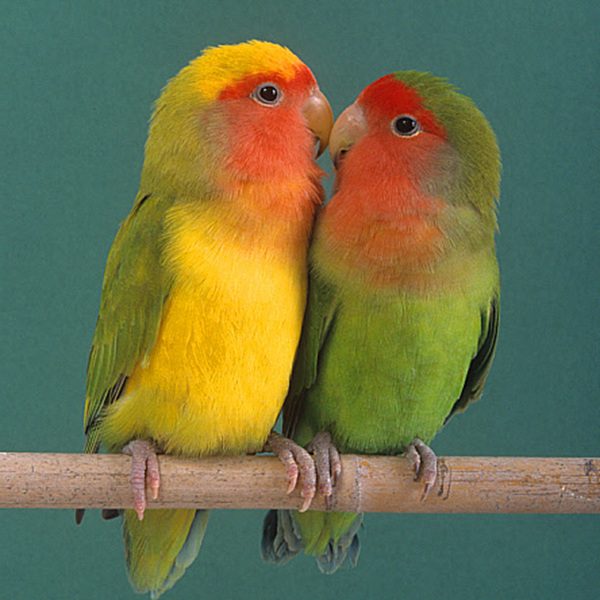
Meet this stunning 10-month-old Lovebird, bursting with color and energy. Alert, active, and in excellent health, this young bird is ready to become the centerpiece of a caring home or a breeding pair setup.
Lovebirds are famous for their affectionate, sociable personalities and their tendency to form deep bonds with their owners. Smart, curious, and endlessly entertaining, they thrive with regular interaction and attention.
At 10 months old, this bird is at the perfect stage for taming and training — ideal for anyone hoping to build a close, trusting relationship with their new feathered companion.
Description
Lovebird (Agapornis) – Vibrant, Affectionate Companion Bird for Your Home
Looking for a beautiful, playful, and affectionate companion bird? The Lovebird (Agapornis) is a popular small parrot known for its vibrant colors, curious personality, intelligence, and strong social bonds. With their charming behavior and lively personalities, Lovebirds can make wonderful companions for individuals, couples, families, and experienced bird enthusiasts.
Lovebirds are small African parrots belonging to the Agapornis genus. They are particularly known for their close social relationships and affectionate interactions. When properly socialized and cared for, these energetic birds can form strong bonds with their owners and become an entertaining part of the household.
Whether you’re researching Lovebird care, choosing a pet Lovebird, or looking for a colorful companion bird, understanding their personality, housing, diet, and daily needs is essential before bringing one home.
What Is a Lovebird (Agapornis)?
A Lovebird is a small parrot from the Agapornis genus, native to parts of Africa. The name “Lovebird” comes from the strong pair bonds these birds commonly form with their mates and close companions.
Lovebirds are active, social, and naturally curious. They enjoy exploring their surroundings, playing with toys, climbing, chewing, vocalizing, and interacting with people or other compatible birds.
Although they are small in size, Lovebirds have big personalities. They can be affectionate and engaging while also being energetic and occasionally assertive. Early socialization, consistent handling, and positive interaction can help develop a friendly and confident companion bird.
Lovebird Characteristics at a Glance
| Feature | Details |
|---|---|
| Common Name | Lovebird |
| Scientific Genus | Agapornis |
| Bird Type | Small parrot |
| Origin | Africa |
| Typical Length | Approximately 13–17 cm, depending on species |
| Typical Lifespan | Around 10–15 years with appropriate care |
| Temperament | Social, playful, curious, affectionate, and intelligent |
| Colors | Green, yellow, peach, blue, white, and various color mutations |
| Diet | Quality pellets/seeds supplemented with suitable fruits and vegetables |
| Social Needs | Regular human interaction and/or compatible bird companionship |
| Best For | Bird enthusiasts, families, and responsible first-time bird owners |
Individual characteristics can vary by Lovebird species, genetics, diet, environment, and quality of care.
Why Are Lovebirds Popular Pet Birds?
One of the biggest attractions of Lovebirds is their combination of small size and engaging personality. They do not require the same amount of space as larger parrots, but they still need a stimulating environment and plenty of interaction.
1. Beautiful, Vibrant Colors
Lovebirds are available in a wide range of naturally occurring colors and selectively bred mutations. Depending on the species and mutation, you may see combinations of green, yellow, blue, peach, white, and other striking shades.
Their colorful feathers make them particularly appealing to people looking for an attractive companion bird.
2. Playful and Curious Personality
Lovebirds are active birds that enjoy investigating their surroundings. Toys, swings, climbing opportunities, and safe objects to chew can keep them physically and mentally engaged.
Their playful behavior can be one of the most enjoyable aspects of keeping a Lovebird.
3. Strong Social Bonds
Lovebirds are highly social animals. They can develop close relationships with another compatible bird or with their human caregiver when given regular attention and positive interaction.
A well-socialized Lovebird may enjoy sitting with its owner, playing, learning simple behaviors, and participating in everyday household activities.
4. Intelligent and Interactive
Despite their small size, Lovebirds are intelligent and observant. They can learn routines and respond to consistent training and positive reinforcement.
Providing opportunities for exploration and problem-solving can help prevent boredom and encourage healthy behavior.
5. Compact Companion Bird
For people who want a parrot but have limited space, a Lovebird can be an attractive option. However, small size does not mean low maintenance. These birds still require appropriate housing, nutrition, veterinary care, exercise, enrichment, and daily social interaction.
Lovebird Care Guide
Providing proper care is essential for keeping a Lovebird healthy, active, and comfortable.
Housing Your Lovebird
Choose a cage that provides enough room for your bird to move, climb, stretch its wings, and play comfortably. A wider cage is generally useful because Lovebirds enjoy moving horizontally and climbing around their environment.
The cage should include:
- Secure food and water dishes
- Appropriate perches of different sizes and textures
- Bird-safe toys
- Swings and climbing accessories
- Safe chewable materials
- Adequate space for movement
- A secure door and construction suitable for small parrots
Place the cage in a safe, well-ventilated area away from extreme temperatures, kitchen fumes, smoke, and other household hazards.
Lovebird Diet and Nutrition
A nutritious and varied diet is an important part of responsible Lovebird ownership.
Depending on veterinary guidance and the individual bird’s needs, a suitable diet may include quality formulated pellets, an appropriate seed mix, and carefully selected fresh foods.
Suitable fresh foods can include certain vegetables and bird-safe fruits. Fresh food should be introduced gradually, and portions should be appropriate for a small parrot.
Always provide clean, fresh drinking water and replace it regularly.
Avoid feeding Lovebirds foods that are toxic or unsafe for parrots, including chocolate, avocado, alcohol, caffeine, and foods containing harmful ingredients.
For individual dietary requirements, consult an avian veterinarian.
Socialization and Daily Interaction
Lovebirds are naturally social and benefit from regular interaction.
A hand-raised or properly socialized Lovebird may become comfortable with gentle handling and human companionship. Spend time talking to your bird, offering appropriate toys, and using positive reinforcement during interactions.
If keeping more than one Lovebird, compatibility should be considered carefully. Not every bird will automatically get along with another bird, so introductions should be gradual and supervised.
Toys and Mental Stimulation
Boredom can contribute to unwanted behaviors, so enrichment is an important part of Lovebird care.
Consider providing:
- Foraging toys
- Swings
- Ladders
- Bells designed for birds
- Shreddable materials
- Bird-safe wooden toys
- Climbing accessories
- Rotating toys to maintain interest
Inspect toys regularly and remove anything damaged or potentially hazardous.
Cleaning and Hygiene
A clean environment helps support your bird’s overall health.
Regularly clean:
- Food and water containers
- Cage trays
- Perches
- Frequently used toys
- Areas around the cage
Fresh water should be provided daily, and the cage should receive routine deeper cleaning as needed.
Are Lovebirds Good for Beginners?
Lovebirds can be suitable for responsible first-time bird owners, provided the owner understands their needs.
Their small size can make them easier to house than larger parrots, but they are still active, social, intelligent animals that require daily care.
Before choosing a Lovebird, prospective owners should be prepared to provide:
- Daily interaction
- A suitable cage
- A nutritious diet
- Mental stimulation
- Regular cleaning
- Safe exercise opportunities
- Appropriate veterinary care
- Long-term commitment
A Lovebird should be viewed as a long-term companion rather than a decorative pet.
How Long Do Lovebirds Live?
With appropriate nutrition, housing, enrichment, hygiene, and veterinary care, Lovebirds can commonly live for around 10–15 years, although individual lifespan can vary.
Choosing a Lovebird is therefore a long-term responsibility. Owners should consider whether they can provide consistent care throughout the bird’s life.
Lovebird Temperament and Personality
Lovebirds are often described as:
- Affectionate
- Playful
- Energetic
- Curious
- Social
- Intelligent
- Vocal
- Independent at times
Individual personalities can vary significantly. Some Lovebirds may be extremely outgoing and enjoy frequent handling, while others may require more patience and time to become comfortable with people.
Gentle handling and positive reinforcement are generally preferable to forcing interaction.
Lovebird Species and Color Varieties
The term “Lovebird” covers several species within the Agapornis genus. Different species and breeding lines can have distinctive physical characteristics and color patterns.
Popular Lovebird types encountered in aviculture include:
- Peach-faced Lovebird
- Fischer’s Lovebird
- Masked Lovebird
- Black-cheeked Lovebird
- Other recognized Agapornis species and color mutations
Color and appearance can vary considerably, particularly among selectively bred mutations.
When purchasing a Lovebird, it is useful to ask about the bird’s species, age, sex if known, breeding background, diet, socialization history, and health records.
What to Consider Before Buying a Lovebird
If you’re searching for a Lovebird for sale, avoid making a decision based solely on color or appearance.
A responsible buyer should consider:
Health
Look for an alert, active bird with clean feathers, clear eyes, normal breathing, and appropriate body condition. A qualified avian veterinarian should evaluate any health concerns.
Socialization
Ask whether the bird has been hand-raised, hand-fed, handled regularly, or otherwise socialized.
Age
Knowing the bird’s approximate age can help you understand its current stage of development and care requirements.
Diet
Find out what the bird is currently eating so that dietary changes can be introduced gradually.
Documentation
Where applicable, ask for relevant health records, breeding information, and other documentation associated with the bird.
Responsible Ownership
Make sure you are prepared for the time, financial commitment, space, and daily care required before bringing a Lovebird home.
Lovebird Care Checklist
Before bringing your new companion home, prepare:
✓ Spacious and secure cage
✓ Appropriate perches
✓ Food and water dishes
✓ Quality bird food
✓ Fresh fruits and vegetables suitable for parrots
✓ Bird-safe toys
✓ Chewable and foraging materials
✓ Safe exercise area
✓ Cleaning supplies
✓ Access to an avian veterinarian
✓ Daily time for social interaction
Frequently Asked Questions About Lovebirds
Are Lovebirds good pets?
Yes. Lovebirds can make engaging companion birds for people who can provide appropriate housing, nutrition, enrichment, social interaction, and veterinary care. Their personalities vary from bird to bird.
Are Lovebirds affectionate?
Lovebirds can form strong social bonds and may become affectionate toward their mates or human caregivers, particularly when properly socialized. However, individual temperament varies.
How long do Lovebirds live?
Lovebirds commonly live around 10–15 years with appropriate care, although individual lifespan can vary.
Are Lovebirds noisy?
Lovebirds are vocal birds and communicate using chirps, calls, and other sounds. While they are smaller than many parrot species, they should not be considered completely quiet pets.
Can a Lovebird live alone?
A Lovebird can live with a human family and receive regular social interaction, but social needs should be taken seriously. Some owners choose compatible bird companionship, while others provide substantial daily human interaction. Individual circumstances and compatibility matter.
What do Lovebirds eat?
A balanced Lovebird diet may include quality formulated pellets, appropriate seeds, and suitable fresh vegetables and fruits. Fresh, clean drinking water should always be available.
How big do Lovebirds get?
Most Lovebirds are small parrots measuring approximately 13–17 cm in length, depending on the species.
Are Lovebirds suitable for first-time bird owners?
They can be, provided the owner is prepared for their social, nutritional, housing, enrichment, and veterinary needs.
What should I look for when buying a Lovebird?
Consider the bird’s health, age, species, socialization, diet, living conditions, and available health or breeding records rather than choosing solely based on appearance.
Find the Right Lovebird for Your Home
A Lovebird can bring years of color, energy, companionship, and entertainment into the right home. Their small size, beautiful appearance, intelligence, and social nature make them appealing companion birds for many bird enthusiasts.
However, responsible Lovebird ownership starts with understanding their needs. Providing a safe environment, nutritious food, enrichment, social interaction, hygiene, and appropriate veterinary care can help your bird enjoy a healthy and fulfilling life.
If you’re looking for a Lovebird (Agapornis) for sale, take the time to learn about the individual bird and its care requirements before making a purchase. A healthy, properly socialized Lovebird can become a wonderful long-term companion when matched with a prepared and responsible owner.
Related Search Terms
Lovebird for sale, Lovebirds for sale, Agapornis for sale, Agapornis bird, pet Lovebirds, Lovebird parrots, colorful parrots, small companion birds, hand-tamed Lovebird, hand-raised Lovebird, friendly parrots, exotic pet birds, Lovebird care, Lovebird diet, Lovebird cage, Lovebird lifespan, Peach-faced Lovebird, Fischer’s Lovebird, Masked Lovebird, Lovebird price, Lovebird breeder, Lovebird pet bird, small parrots for home.