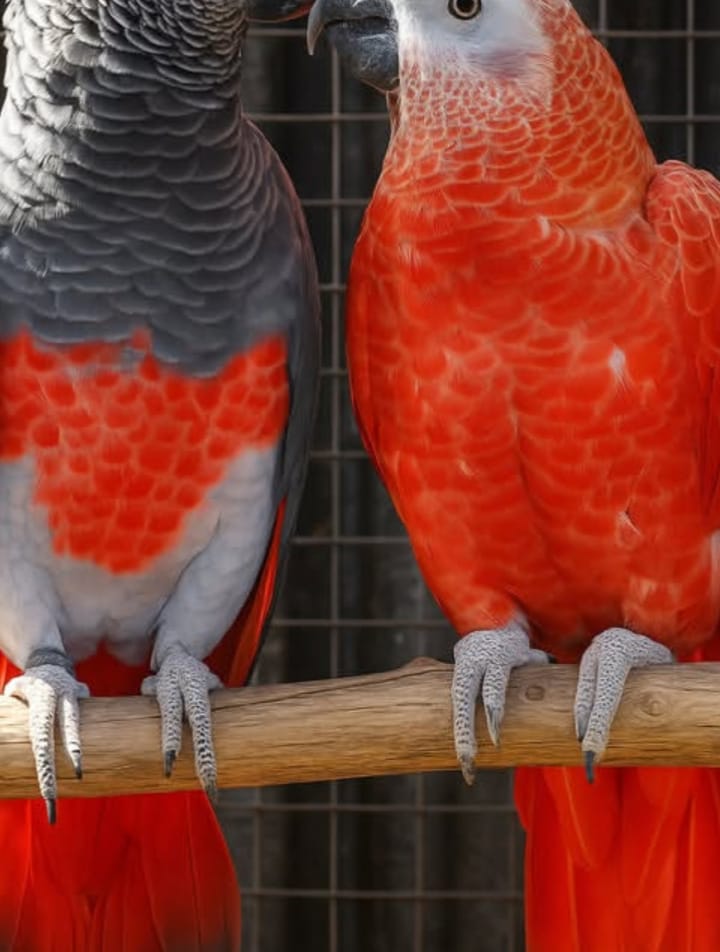
Red Factor African Grey Parrots
$1,850.00
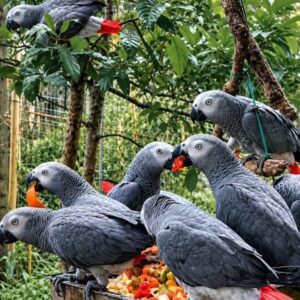
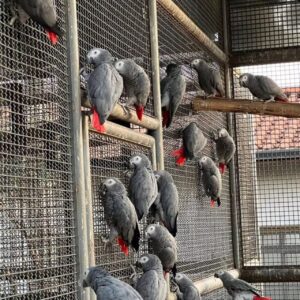
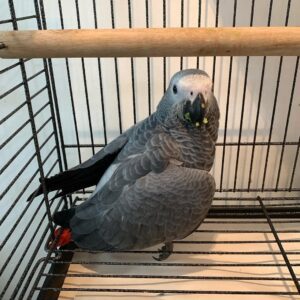
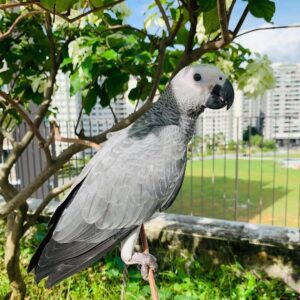
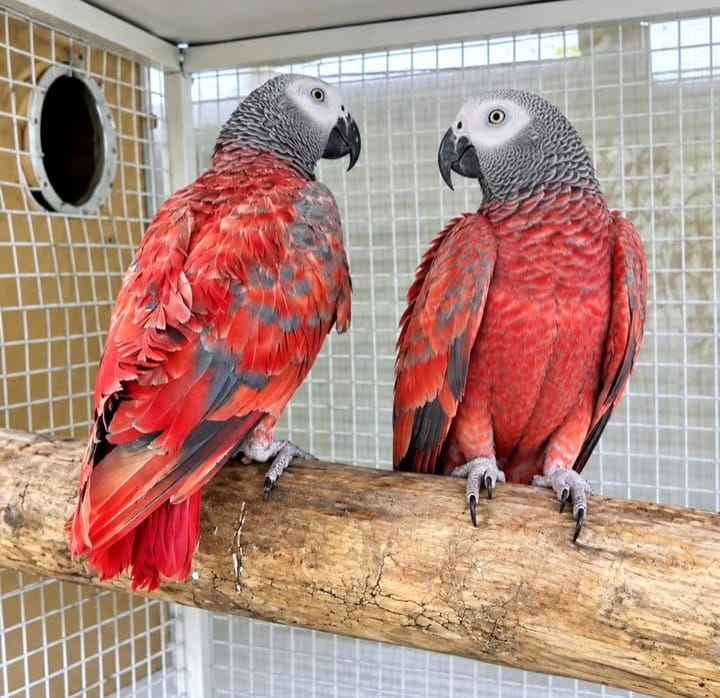
Meet our beautiful Red Factor African Grey Parrots, featuring stunning red plumage, exceptional intelligence, and charming personalities. These male and female parrots are 1 year and 2 months old, fully vaccinated, and well-socialized. Each parrot is available for $1,850, offering a wonderful opportunity to welcome a remarkable feathered companion into your home. Contact us today to learn more about availability and responsible parrot care.
Description
Red Factor African Grey Parrot: Care, Size, Lifespan, Diet & Personality
The Red Factor African Grey Parrot is a striking and highly intelligent variation of the African Grey Parrot, admired for its exceptional talking ability, affectionate personality, and distinctive red feathers. African Grey Parrots are widely regarded as one of the most intelligent companion parrot species, and their ability to learn words, sounds, routines, and tricks makes them fascinating pets for experienced bird owners.
Beyond their intelligence, Red Factor African Greys can form strong emotional bonds with their owners. With proper socialization, daily interaction, mental stimulation, and consistent care, many become affectionate, playful, curious, and highly sociable companions.
However, an African Grey Parrot is not a low-maintenance pet. These intelligent birds require attention, enrichment, training, a spacious cage, a nutritious diet, and plenty of social interaction. A bored, lonely, or neglected African Grey may become stressed and develop unwanted behaviors such as excessive vocalization, feather plucking, biting, or destructive chewing.
What Is a Red Factor African Grey Parrot?
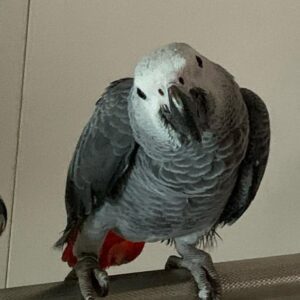
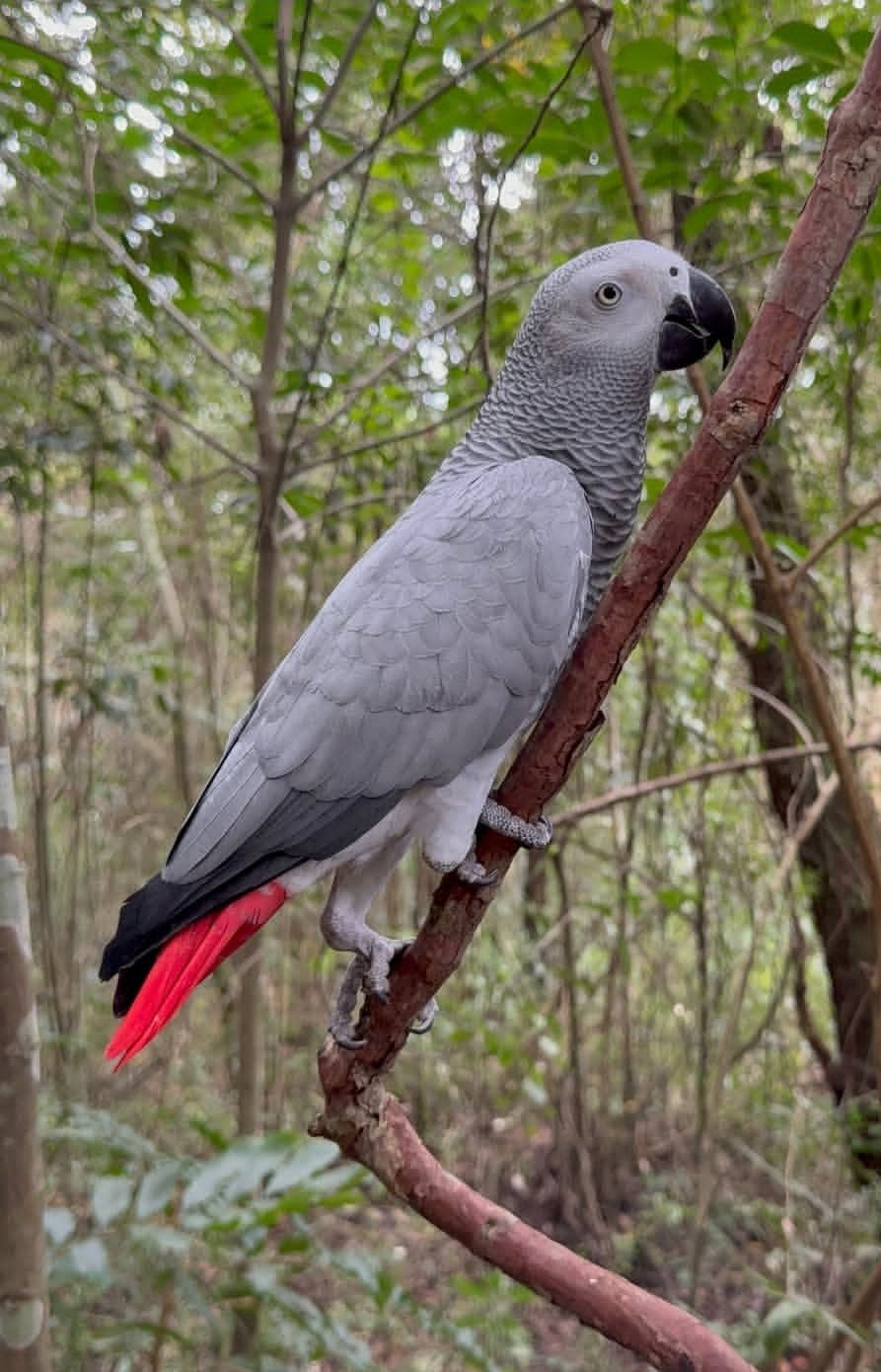
A Red Factor African Grey is an African Grey Parrot displaying an unusually high amount of red feather coloration. Unlike the typical African Grey, which is predominantly grey with a bright red tail, Red Factor birds can exhibit additional red feathers across different areas of the body.
Their distinctive appearance is complemented by the classic characteristics associated with African Grey Parrots, including a strong black beak, intelligent dark eyes, grey plumage, and remarkable vocal and learning abilities.
Because coloration can vary significantly between individual birds, prospective owners should purchase from a reputable breeder or responsible source and ask for accurate information about the bird’s background, health, age, and care history.
Red Factor African Grey Personality and Temperament
One of the biggest attractions of the African Grey Parrot is its personality. These birds are exceptionally observant and intelligent and often develop a strong connection with the people who care for them.
A well-socialized Red Factor African Grey can be:
- Affectionate and people-oriented
- Curious and playful
- Highly intelligent
- Excellent at learning words and sounds
- Responsive to training
- Social and interactive
- Sensitive to changes in its environment
- Independent at times
African Greys are also known for their impressive ability to mimic human speech and environmental sounds. Some individuals develop extensive vocabularies, while others prefer whistles, household noises, or shorter phrases.
It is important to remember that every bird has an individual personality. Some African Greys are naturally outgoing and affectionate, while others may be more reserved and need more time to feel comfortable with new people.
Are African Grey Parrots Loud?
African Grey Parrots are generally not considered the loudest parrot species. They can certainly vocalize, call, chatter, whistle, and imitate sounds, but many African Greys spend a significant amount of their vocal time talking and experimenting with sounds rather than producing continuous, piercing screams.
This can make them appealing to people living in apartments or condominiums. However, they are still parrots, and individual birds can become noisy, particularly when they are excited, seeking attention, bored, frightened, or experiencing insufficient social interaction.
Potential owners should therefore consider their neighbors and living environment before bringing an African Grey Parrot home.
Red Factor African Grey Parrot Size
African Grey Parrots are medium-sized parrots with a relatively compact but powerful build.
An adult African Grey generally measures approximately 12 to 13 inches (30–33 cm) from the beak to the end of the tail.
Typical adult weight is approximately 10 to 20 ounces (280–570 grams), although individual birds can vary.
Because weight can differ between individual African Greys and subspecies, a bird’s overall body condition is more important than relying on a single target number. Regular veterinary examinations can help owners monitor healthy growth and body condition.
African Grey Parrot Lifespan
One of the most remarkable things about African Grey Parrots is their potential longevity.
With excellent nutrition, appropriate housing, regular veterinary care, mental stimulation, exercise, and a safe environment, African Grey Parrots can live for several decades. Lifespan varies considerably from bird to bird, and claims of exceptionally long lifespans should not be treated as a guarantee.
For this reason, purchasing or adopting an African Grey Parrot is a long-term commitment. Owners may be responsible for their bird for decades, making it important to consider future housing, finances, veterinary care, and family circumstances before bringing one home.
African Grey Parrot Cage Size and Housing Requirements
Because African Grey Parrots are intelligent, active, and physically capable birds, they need significantly more space than a small companion bird.
A commonly recommended minimum cage footprint is approximately 2 feet by 2 feet, with a height of around 3 feet, although a larger cage is strongly preferable whenever space and budget allow.
The cage should be large enough for the bird to comfortably:
- Fully extend and flap its wings
- Move between perches
- Climb and explore
- Play with toys
- Move away from food and water areas
- Exercise safely
- Spend time outside the cage under supervision
Bigger is generally better when selecting an African Grey Parrot cage.
Horizontal space is particularly useful because it allows the bird to move, climb, and play rather than remaining stationary.
The cage should also contain appropriately sized natural perches, food and water dishes, stimulating toys, chewable materials, and enrichment items. Avoid overcrowding the cage with so many toys that the bird cannot move comfortably.
How Much Attention Does an African Grey Parrot Need?
African Grey Parrots are highly social and intelligent animals. They need meaningful interaction rather than simply being left in a cage with food and toys.
Owners should provide several hours of daily interaction and supervised out-of-cage time when practical and safe. Training, talking, playing, foraging activities, and learning new behaviors can all provide valuable mental stimulation.
An African Grey that receives little attention may become bored or frustrated. Over time, inadequate enrichment can contribute to behavioral problems.
Daily interaction can include:
- Talking to your bird
- Teaching new words
- Practicing simple tricks
- Offering puzzle and foraging toys
- Providing supervised exercise outside the cage
- Introducing safe new activities
- Encouraging independent play
- Spending quiet social time together
Consistency is particularly important. African Greys often thrive when they have a predictable daily routine.
Red Factor African Grey Parrot Diet
A balanced diet is one of the foundations of good African Grey Parrot care.
A quality formulated pelleted diet can provide an appropriate nutritional foundation when selected for parrots and offered according to veterinary or manufacturer guidance. Fresh foods can then be incorporated as part of a varied diet.
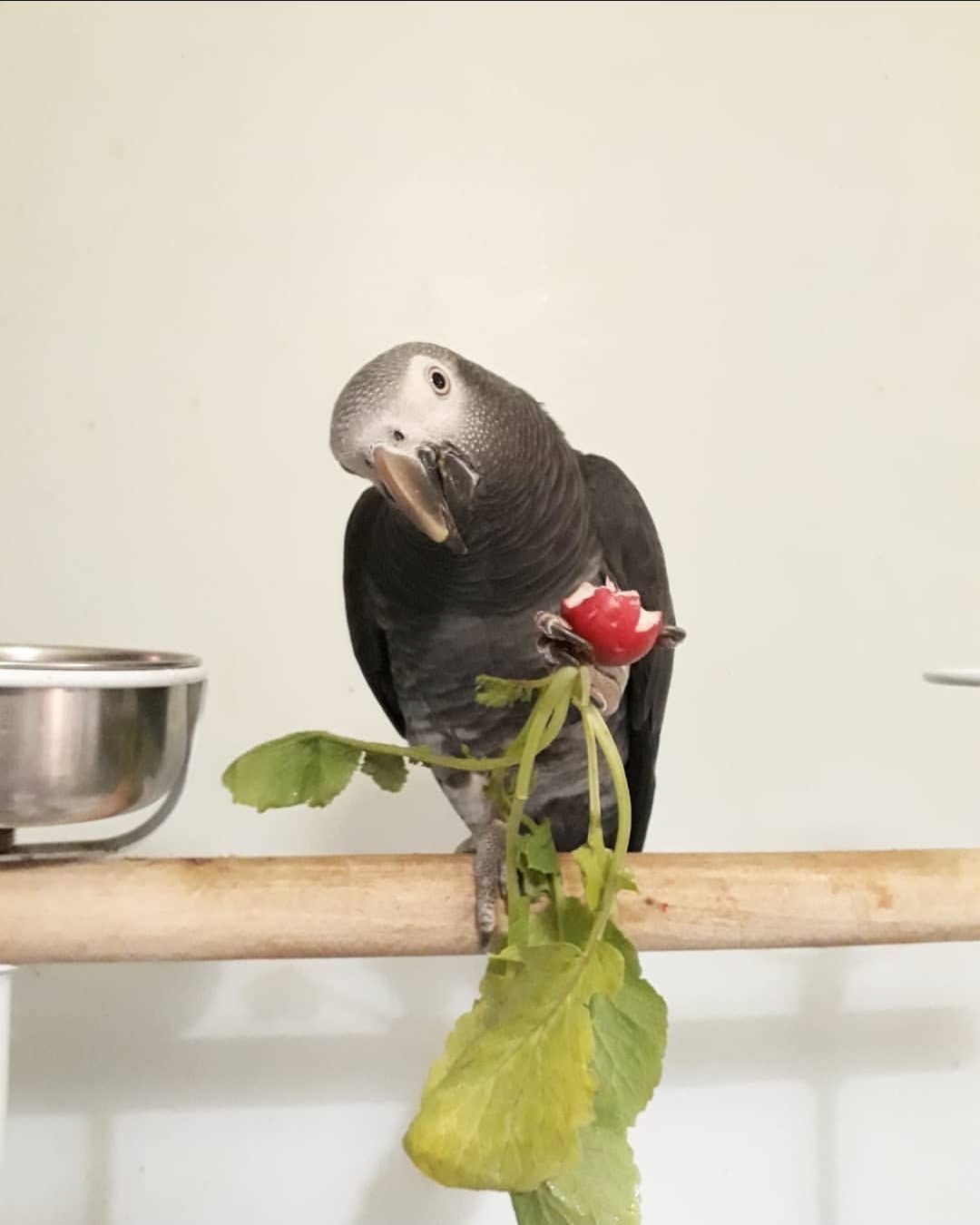
Suitable fresh foods may include appropriately prepared fruits and vegetables.
Popular fruit options include:
- Pomegranate
- Mango
- Melon
- Apples, with seeds removed
- Berries
- Papaya
- Pear
- Bananas in moderation
Fresh vegetables can also be an important part of a varied diet.
Food should always be prepared appropriately for parrots, and owners should introduce new foods gradually.
Foods to Avoid
Some human foods are dangerous to parrots and should never be offered. Examples include avocado, chocolate, alcohol, caffeine, and foods containing toxic ingredients.
Fruit seeds and pits should also be handled carefully, and owners should consult an avian veterinarian if they are uncertain whether a particular food is safe.
Fresh drinking water should be available every day and changed regularly.
Mental Stimulation and Enrichment
Mental stimulation is especially important for African Grey Parrots because of their exceptional intelligence.
Simply providing a cage, food, and a few toys is not enough to meet the needs of many African Greys.
Rotate toys regularly to maintain interest and provide different forms of enrichment, including:
- Foraging toys
- Puzzle toys
- Wooden chewing toys
- Shreddable materials
- Bells and appropriate interactive toys
- Training activities
- Food-search games
Training is also an excellent way to provide mental stimulation. Teaching an African Grey to step up, target, retrieve objects, identify items, or learn words can turn everyday interaction into an engaging learning experience.
Training a Red Factor African Grey
African Grey Parrots are highly trainable when positive reinforcement is used consistently.
Training should be based on patience and rewards rather than punishment. Short, enjoyable training sessions can be more effective than forcing a bird to continue when it has lost interest.
Positive reinforcement may include praise, attention, a favourite healthy treat, or access to a preferred activity.
Because African Greys are sensitive and intelligent, harsh handling can damage trust and potentially create fear or defensive behaviour.
Is a Red Factor African Grey Parrot Right for You?
A Red Factor African Grey can be an extraordinary companion, but it is best suited to an owner who understands the responsibilities involved in keeping an intelligent parrot.
Before getting an African Grey, consider whether you can provide:
- A spacious and secure cage
- A nutritious and varied diet
- Daily social interaction
- Regular mental stimulation
- Safe out-of-cage exercise
- Appropriate toys and enrichment
- Routine veterinary care
- A stable environment
- Long-term financial commitment
- Patience and consistent training
If these needs can be met, an African Grey can become a remarkably engaging and rewarding companion.
Final Thoughts
The Red Factor African Grey Parrot combines the extraordinary intelligence and personality of the African Grey with eye-catching red feather colouration. These birds are intelligent, observant, social, and capable of developing strong relationships with their human companions.
However, their intelligence also means they require commitment. Proper African Grey Parrot care involves a spacious environment, nutritious food, daily interaction, mental stimulation, positive training, exercise, and regular veterinary attention.
For the right owner, the Red Factor African Grey can be much more than a beautiful pet—it can become a lifelong companion and an engaging member of the household.
Additional information
| Payment Method | Bitcoin, MoneyGram, Western Union, Wire Transfer |
|---|