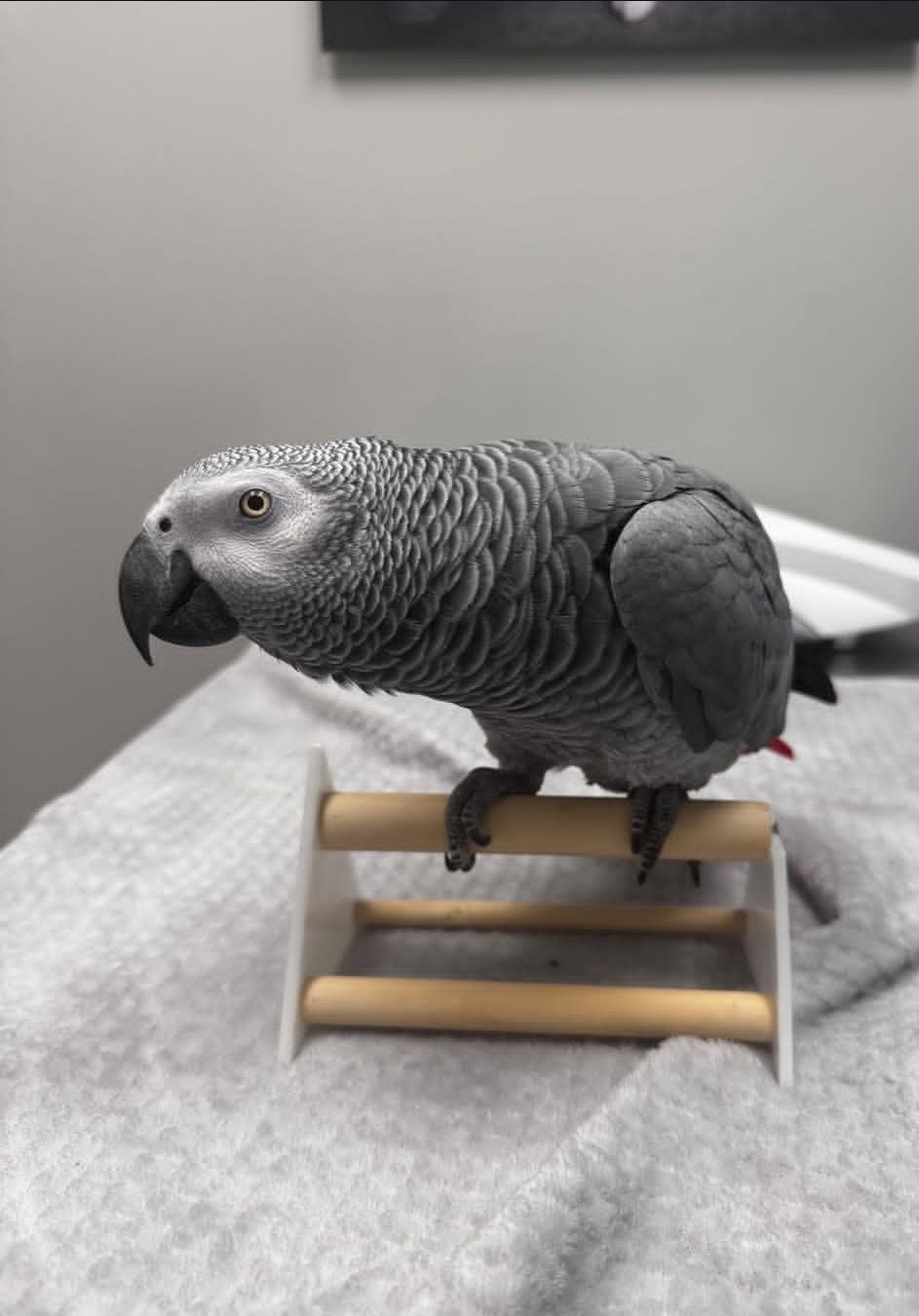
Male Congo African Grey Parrot
$1,350.00
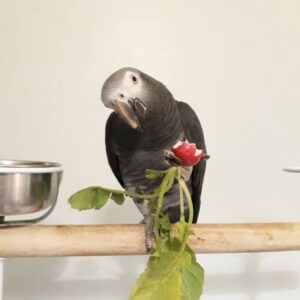
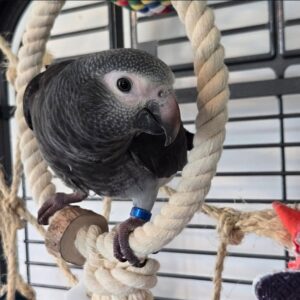
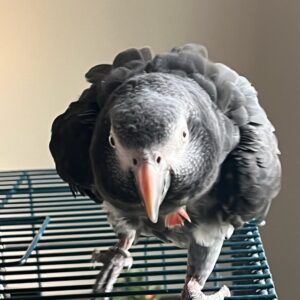
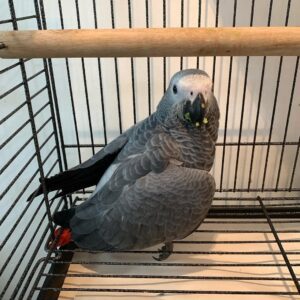
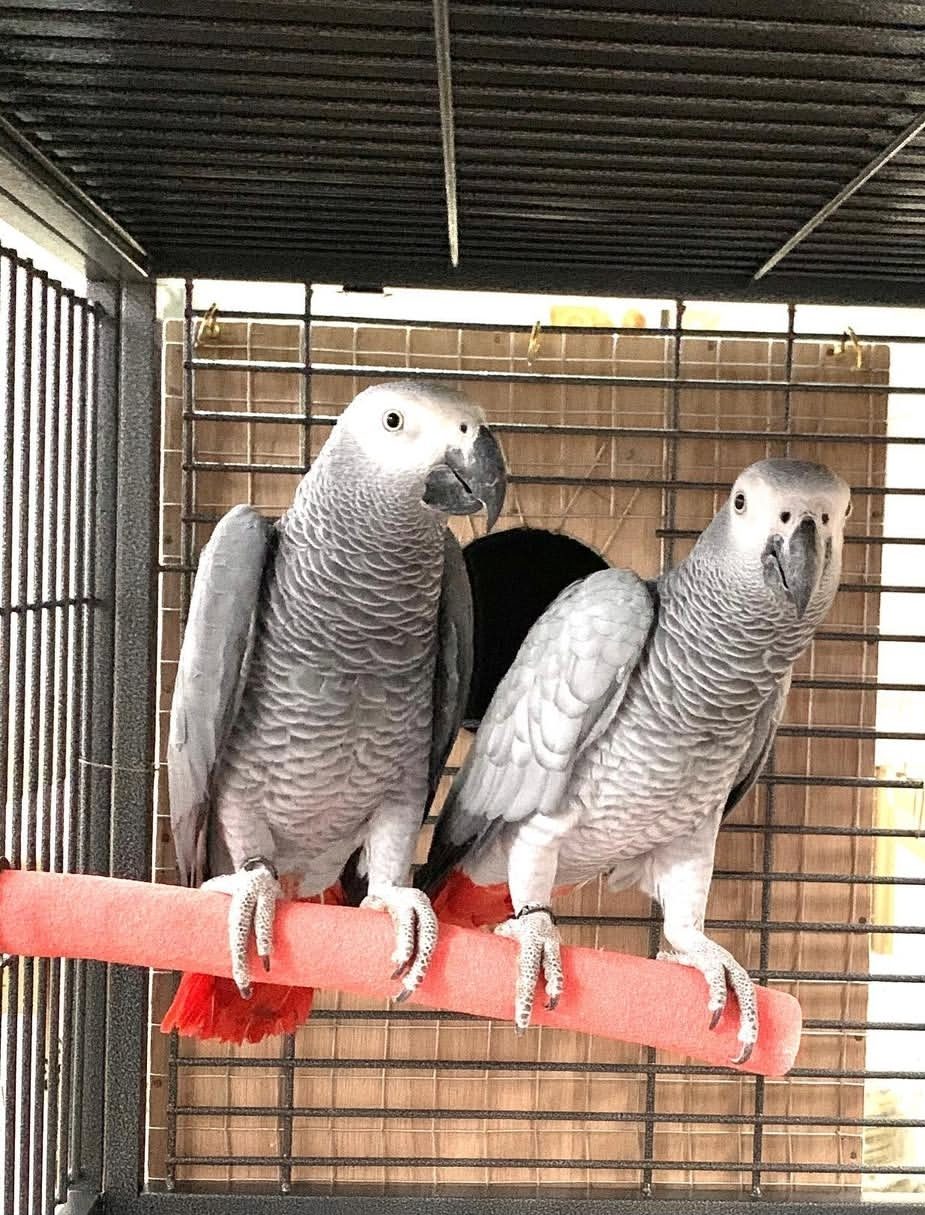
Meet Mac — a beautiful 1-year-2-month-old Congo African Grey Parrot, fully tamed, friendly, and intelligent. Known for her stunning grey feathers, scarlet-red tail, and remarkable talking ability, Mac makes a wonderful companion bird for the right home.
Description
Congo African Grey Parrot: Intelligence, Personality, Size, Lifespan & Care Guide
The Congo African Grey Parrot is widely regarded as one of the most intelligent and fascinating parrot species in the world. Known for its remarkable ability to learn words, recognize patterns, solve problems, and interact with people, the African Grey is much more than a beautiful companion bird. It is an exceptionally social and intelligent pet that requires daily attention, mental stimulation, proper nutrition, and plenty of interaction.
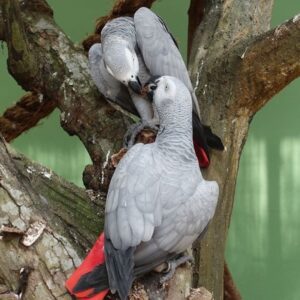
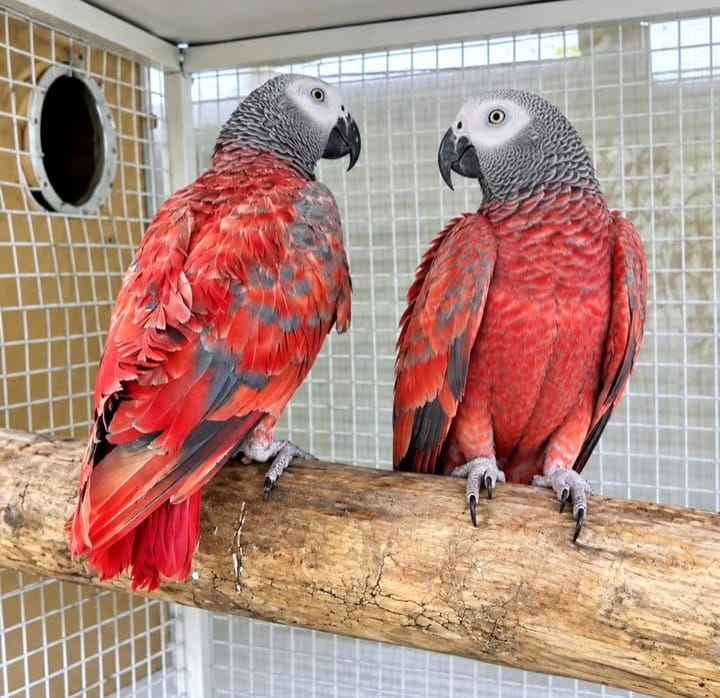
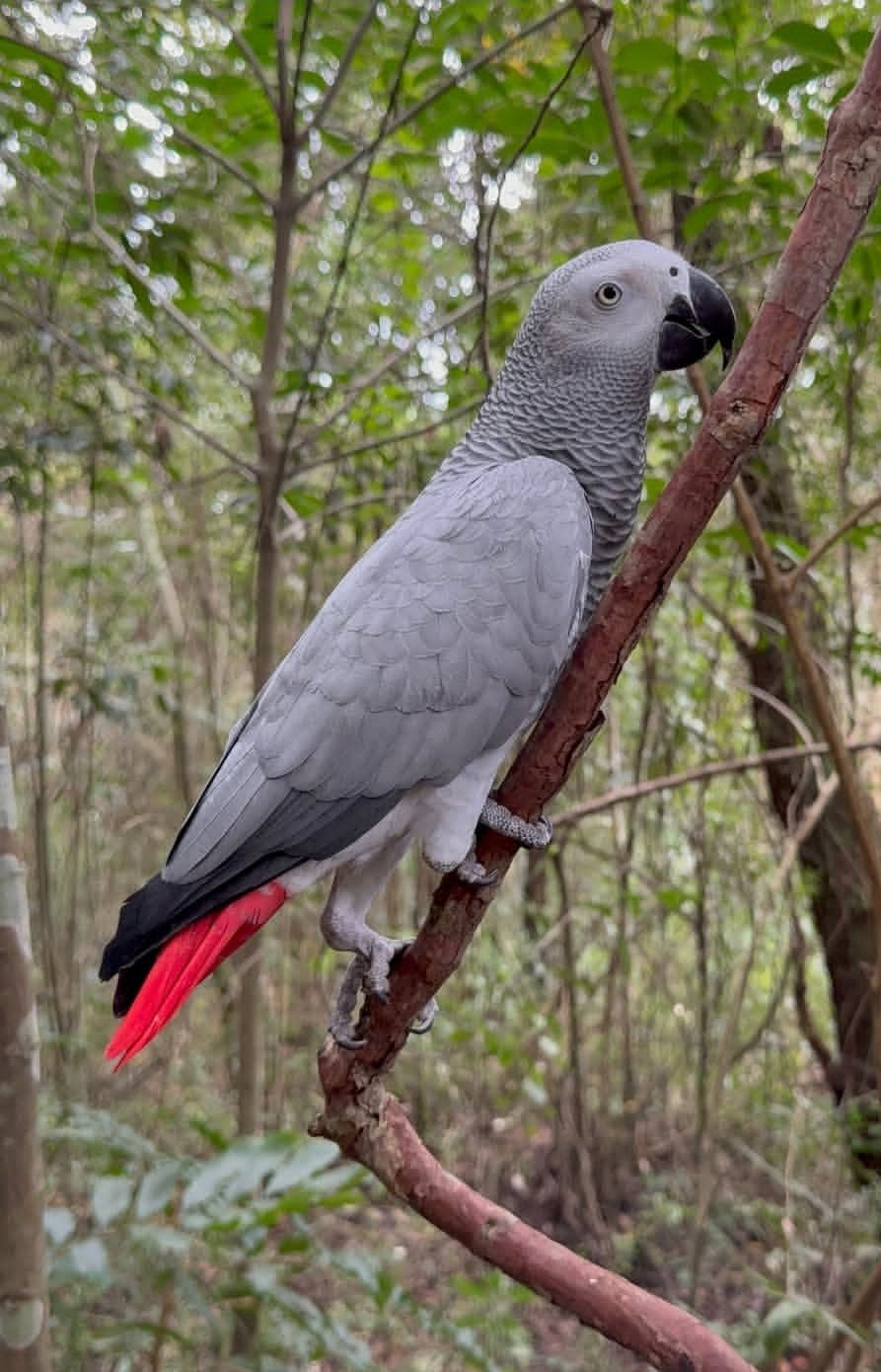
With its distinctive bright red tail feathers, shiny black beak, and soft grey plumage, the Congo African Grey Parrot is instantly recognizable. Its intelligence and ability to mimic human speech have made it one of the most popular companion parrots among experienced bird owners.
However, owning an African Grey Parrot is a long-term commitment. These birds are highly social and emotionally sensitive. A well-cared-for African Grey can become affectionate, playful, and deeply attached to its owner, while a bird that is bored, isolated, or neglected may develop undesirable behaviors.
Congo African Grey Parrot Personality and Behaviour
One of the most appealing characteristics of the Congo African Grey Parrot is its personality. Many African Greys become extremely affectionate and develop strong bonds with their owners. They enjoy interacting with people, learning new words, playing with toys, and participating in everyday household activities.
African Greys are naturally curious and intelligent. They need regular opportunities to explore their surroundings and use their minds. Training sessions, interactive toys, puzzles, and speech exercises can help keep them mentally stimulated.
Because of their intelligence, African Greys can also become bored easily. A bird that does not receive enough attention or enrichment may begin screaming, chewing furniture, plucking feathers, or displaying other unwanted behaviors.
For this reason, an African Grey Parrot is generally best suited to an owner who has enough time to provide daily social interaction, training, playtime, and companionship.
Are African Grey Parrots Loud?
Although African Grey Parrots can make a variety of sounds, they are generally not considered constant, loud screamers compared with some other large parrot species. They often spend considerable time talking, whistling, chattering, and mimicking sounds they hear around them.
This can make them attractive to people living in apartments or condominiums. However, every bird has an individual personality, and some African Greys can still be surprisingly vocal. Prospective owners should therefore consider their neighbors and living environment before bringing one home.
What Does a Congo African Grey Parrot Look Like?
The Congo African Grey has an elegant, distinctive appearance that makes it easy to recognize.
Typical characteristics include:
- Soft grey feathers covering most of the body
- A striking bright red tail
- A large, curved black beak
- Pale facial markings around the eyes
- Strong feet designed for climbing and gripping
- A medium-to-large parrot body shape
Their combination of intelligence, appearance, and personality has made the Congo African Grey one of the world’s best-known companion parrots.
Congo African Grey Parrot Size
A fully grown Congo African Grey Parrot typically reaches approximately 12 to 13 inches (30–33 cm) in length, measured from the beak to the end of the tail.
Adult weight commonly falls in the range of approximately 10 to 20 ounces (280–570 grams), although individual birds can vary.
Because African Greys are active, intelligent birds, their physical size should not be the only consideration when choosing a cage. They require enough room to climb, stretch their wings, move between perches, and play comfortably.
African Grey Parrot Lifespan
The African Grey Parrot can be an exceptionally long-lived companion. With proper nutrition, veterinary care, exercise, mental stimulation, and a safe living environment, some African Greys can live for many decades.
A commonly cited lifespan is around 40 to 60 years, with some birds potentially living longer under excellent care.
This means purchasing or adopting an African Grey should be considered a long-term commitment. Owners may need to make arrangements for the bird’s future care as part of responsible ownership.
African Grey Parrot Cage Size and Housing
Providing an appropriately sized cage is essential for an African Grey’s physical and emotional well-being.
A commonly recommended minimum cage footprint is approximately 2 feet by 2 feet, with a height of around 3 feet. However, larger is generally better whenever the available space and budget allow.
The cage should provide enough room for the bird to:
- Fully extend and flap its wings
- Move comfortably between perches
- Climb and exercise
- Play with toys
- Eat and drink without obstruction
- Have separate areas for resting and activity
Bar spacing should also be appropriate for an African Grey to prevent injury or escape.
A cage is not intended to replace exercise and social interaction. African Greys benefit from supervised time outside their cage every day in a safe, bird-proofed environment.
Toys, Training and Mental Stimulation
Mental stimulation is one of the most important aspects of African Grey Parrot care.
Because these birds are exceptionally intelligent, simply providing food and a cage is not enough. They need activities that challenge their minds and encourage natural behaviours.
Useful enrichment can include:
- Foraging toys
- Puzzle toys
- Chewable bird-safe toys
- Climbing structures
- Training exercises
- Speech and vocabulary practice
- Interactive games
- Rotating toys to maintain interest
Training can also strengthen the bond between an African Grey and its owner. Short, positive training sessions can teach useful behaviours, tricks, sounds, and words while providing valuable mental stimulation.
How Much Attention Does an African Grey Parrot Need?
African Greys are highly social birds and generally need substantial daily interaction with their owners.
New owners should be prepared to spend several hours each day providing a combination of supervised out-of-cage time, play, training, conversation, and social interaction.
The exact amount of attention required varies from one bird to another, but consistency is extremely important.
An African Grey that regularly receives companionship and enrichment is more likely to remain confident, engaged, and well-adjusted.
What Do African Grey Parrots Eat?
A balanced diet is an important part of maintaining an African Grey Parrot’s health.
A quality formulated pelleted parrot diet can serve as an important foundation of the daily diet, supplemented with appropriate fresh foods.
African Greys can enjoy a variety of bird-safe fruits, including:
- Pomegranate
- Fresh mango
- Melon
- Apples, with seeds removed
- Berries
- Papaya
- Bananas
- Oranges and other suitable citrus fruits
Fresh vegetables can also be incorporated into a balanced diet.
Fresh food should be clean and properly prepared, while portions should be appropriate for the individual bird. Owners should also make sure their African Grey has continuous access to clean, fresh drinking water.
Some human foods are dangerous for parrots. Foods such as avocado, chocolate, alcohol, caffeine, and foods containing certain toxic ingredients should never be offered to an African Grey.
For specific dietary requirements, an avian veterinarian is the best source of individualised nutritional advice.
Is a Congo African Grey Parrot a Good Pet?
A Congo African Grey can be an extraordinary companion for the right owner. Their intelligence, ability to communicate, affectionate personalities, and playful behaviour make them incredibly rewarding birds.
However, they are not low-maintenance pets.
Before purchasing or adopting an African Grey, prospective owners should be prepared for:
- A decades-long commitment
- Daily social interaction
- Regular mental stimulation
- A spacious, safe cage
- A balanced diet
- Regular veterinary care
- Training and enrichment
- Potentially noisy or unpredictable behaviour
- The financial responsibility associated with long-term bird ownership
The key to a happy African Grey is companionship, consistency, enrichment, nutrition, and responsible care.
Frequently Asked Questions About Congo African Grey Parrots
How big does a Congo African Grey Parrot get?
A Congo African Grey typically grows to approximately 12–13 inches long and may weigh around 10–20 ounces, although individual birds vary.
How long do African Grey Parrots live?
African Grey Parrots can live for several decades. With excellent care, many can live approximately 40–60 years, and some individuals may live longer.
Are Congo African Greys good talking birds?
Yes. African Greys are famous for their ability to mimic human speech and environmental sounds. Many individuals can learn a large vocabulary and use sounds in context, although talking ability varies from bird to bird.
Are African Grey Parrots affectionate?
Many African Greys develop strong relationships with their owners and can be affectionate and social. However, personality varies between individual birds, and trust usually develops through consistent, positive interaction.
Do African Grey Parrots need a large cage?
Yes. African Greys need sufficient space to move, climb, stretch their wings, and play. A cage measuring approximately 2 × 2 feet with around 3 feet of height is often considered a minimum starting point, but a larger cage is preferable whenever possible.
What fruits can African Grey Parrots eat?
Suitable fruits can include pomegranate, mango, melon, berries, papaya, banana, and properly prepared apple, among others. Fruit should complement—not replace—a balanced parrot diet.
Are African Grey Parrots suitable for apartments?
They can potentially adapt to apartment living because they are not typically constant screamers, but they can still be vocal. Individual temperament, training, enrichment, and consideration for neighbors are important factors.
Final Thoughts
The Congo African Grey Parrot is an intelligent, social, beautiful, and highly interactive companion bird. Its ability to learn speech, solve problems, recognise people, and form strong social bonds makes it one of the most remarkable parrots available to responsible bird owners.
At the same time, its intelligence means it needs more than a cage and food. A successful African Grey owner must provide daily companionship, training, mental stimulation, exercise, nutritious food, appropriate housing, and lifelong care.
When those needs are met, an African Grey can become a remarkable member of the family and a companion for many years.
Additional information
| Payment Method | Bitcoin, MoneyGram, Western Union, Wire Transfer |
|---|