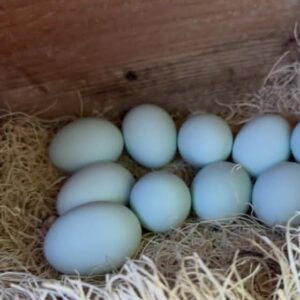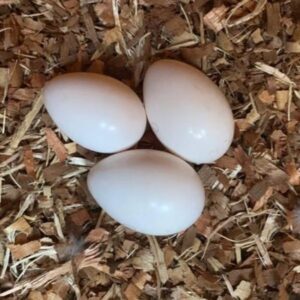
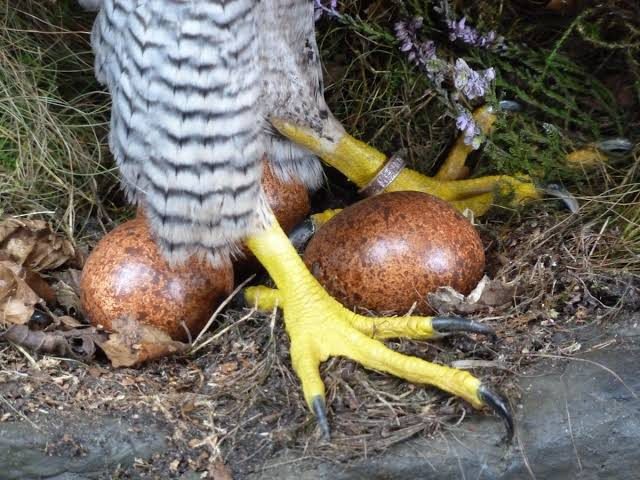
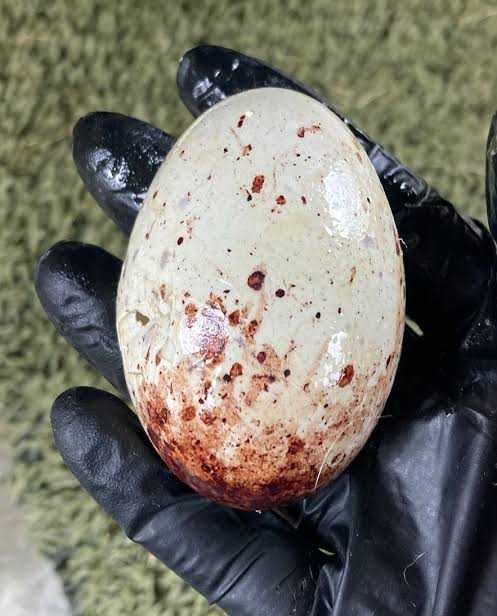
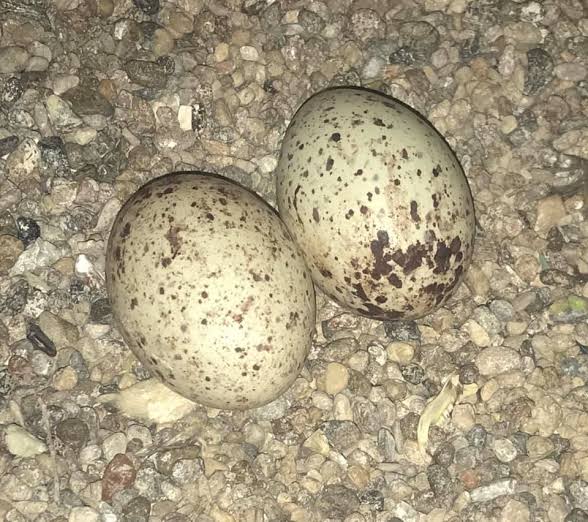
Turkey Vulture Eggs
$95.00
Description
Turkey Vulture Eggs (Cathartes aura) – Quality Specimens for Conservation, Research & Licensed Breeding
Discover the ecological importance of the Turkey Vulture (Cathartes aura) with ethically sourced, high-viability eggs. Known for their exceptional sense of smell, keen eyesight, and powerful soaring capabilities, Turkey Vultures serve as nature’s vital sanitation crew. They play a critical role in controlling disease and maintaining healthy ecosystems across the Americas.
These carefully inspected Turkey Vulture eggs are tailored specifically for accredited avian breeding programs, wildlife conservation projects, educational institutions, and authorized ornithology research.
Technical Specifications & Key Attributes
-
Scientific Name: Cathartes aura
-
Egg Quality: Fresh, intact, and fertile (certified for licensed incubation)
-
Average Incubation Period: 38 to 41 days
-
Primary Uses: Wildlife rehabilitation, ex-situ conservation, captive breeding, educational demonstration, and avian research
-
Care & Handling: Complete incubation climate guidelines (temperature, humidity, and rotation schedules) included
-
Logistics & Transit: Climate-aware, shock-absorbent packaging designed to preserve specimen integrity during transport
Why Source Cathartes aura Eggs for Your Avian Program?
1. High Viability for Conservation Breeding
Every egg undergoes strict quality control to support high hatching success rates under proper incubator conditions ($37.2^\circ\text{C} – 37.5^\circ\text{C}$ with $55\% – 60\%$ relative humidity).
2. Supporting Avian Science & Education
Turkey Vultures possess unique physiological adaptations, including resistance to severe bacterial toxins. Access to viable specimens allows researchers and educators to study avian development, immunology, and scavenging behavior up close.
3. Safe, Specialized Transport
Avian eggs require precise transit protocols. Our multi-layer, shock-insulated packaging minimizes vibration and thermal shock, ensuring specimens arrive intact and ready for setup.
Incubation & Hatching Overview
To achieve optimal results with Cathartes aura specimens, maintain the following parameters:
| Parameter | Recommended Target |
| Incubation Temperature | $37.2^\circ\text{C} – 37.5^\circ\text{C}$ ($99.0^\circ\text{F} – 99.5^\circ\text{F}$) |
| Relative Humidity (Days 1–35) | $55\% – 60\%$ |
| Hatching Humidity (Days 36+) | $65\% – 70\%$ |
| Turning Frequency | 3 to 5 times daily (automated recommended) |
Regulatory Compliance & Legal Notice
Important Regulatory Notice: Turkey Vultures are protected under international and national wildlife laws, including the Migratory Bird Treaty Act (MBTA) in North America. These eggs are distributed strictly to permitted wildlife rehabilitators, licensed breeders, academic institutions, and authorized conservation agencies. Proof of applicable state, federal, or institutional permits is required prior to processing and fulfillment.
Frequently Asked Questions
Are Turkey Vulture eggs legal to own or incubate?
In most jurisdictions, possessing or incubating wild bird eggs—including Cathartes aura—requires specific wildlife permits or educational licenses. Ensure your facility holds the necessary documentation before ordering.
How are the eggs packed for safe delivery?
Specimens are secured in custom foam-padded, thermal-insulated containers designed to absorb transit impacts and buffer against sudden ambient temperature swings.