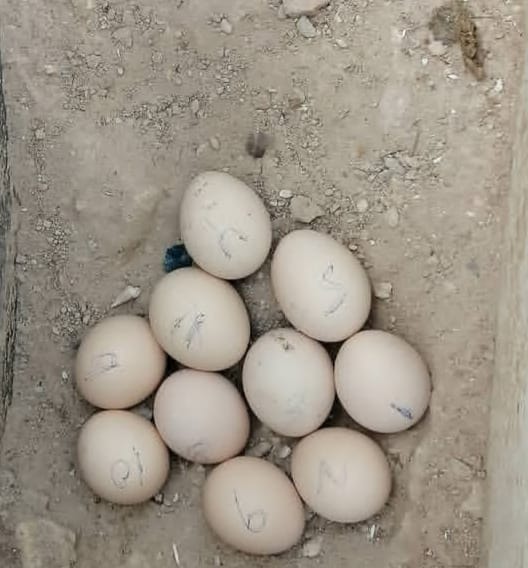
Spix`s Macaw Parrot Eggs
$80.00
Description
Spix’s Macaw Parrot Eggs: Rare Aviculture & Incubation Guide
The Spix’s Macaw (Cyanopsitta spixii) is one of the world’s most breathtaking and critically protected parrot species. Known for their distinctive sky-blue plumage, high intelligence, and complex social bonds, these birds represent a historic symbol of avian conservation and high-level aviculture.
For serious breeders and conservationists working within regulated, accredited programs, understanding the fertility, care, and incubation demands of Spix’s Macaw eggs is essential for species preservation.
Technical Specifications: Spix’s Macaw (Cyanopsitta spixii)
| Attribute | Specification |
| Scientific Name | Cyanopsitta spixii |
| Common Name | Spix’s Macaw |
| Average Hatch Time | 26–28 Days |
| Optimal Incubation Temp | 37.2°C – 37.5°C (99.0°F – 99.5°F) |
| Humidity Level | 45% – 55% relative humidity |
| Legal & Protection Status | CITES Appendix I / Extinct in the Wild (EW) |
Key Features & Breeding Standards
-
Genetically Verified Lines: Sourced exclusively from healthy, captive-bred pairs participating in strict genetic management programs.
-
Fertility & Quality Testing: Eggs undergo precise candling, mass tracking, and viability assessments prior to secure transit.
-
Conservation Value: Breeding and caring for Cyanopsitta spixii directly contributes to global avicultural knowledge and endangered species protection.
-
Bonding & Behavior: Highly social and intelligent, requiring dedicated long-term care, enriched environments, and expert handling.
Incubation & Hand-Rearing Requirements
Successfully hatching exotic parrot eggs requires specialized equipment, precise environmental controls, and avicultural experience.
-
Incubation Setup: Use a digital incubator with automatic turning mechanisms to maintain uniform temperatures (37.2°C–37.5°C) and controlled humidity.
-
Candling Schedule: Candle eggs at day 7, 14, and 21 to monitor embryonic growth and air-cell expansion.
-
Hatching & Hand-Rearing: Upon pipping (day 26–28), monitor humidity closely. Prepare specialized neonate formula, heat brooders, and sanitation protocols for hand-rearing.
Secure Packaging & Global Logistics
To safeguard viability during transit:
-
Thermal Isolation: Eggs are secured in temperature-regulated, shock-absorbent containers.
-
Express Delivery: Shipped via climate-monitored courier protocols to minimize transit duration.
-
Comprehensive Support: Complete incubation guides and expert after-sales consultation provided for every clutch.
Compliance & Conservation Notice
Cyanopsitta spixii is listed under CITES Appendix I. Commercial sales, international transport, and ownership of Spix’s Macaw specimens or eggs are strictly governed by international law and local environmental agencies (such as ICMBio and CITES management authorities). Ensure all proper permits and legal verifications are in place before acquiring or handling CITES-restricted species.