
Scarlet Macaw Parrots| Fascinating Males & Females
$1,150.00
Scarlet Macaws Available (Males & Females)
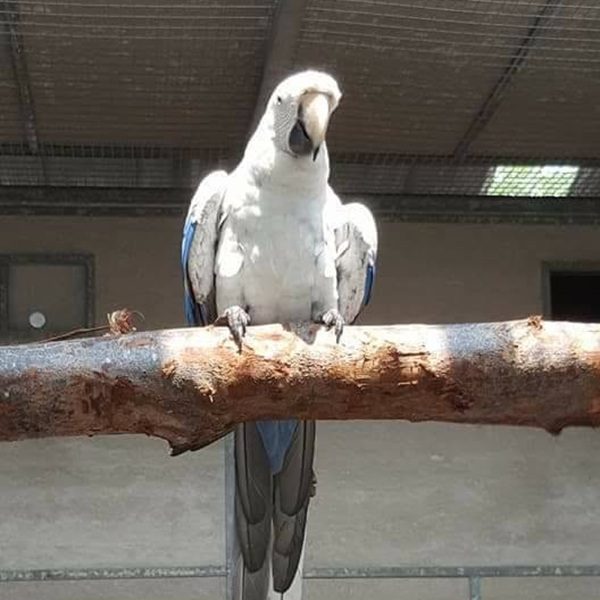
Our scarlet macaws are 1 year and 3 months old, fully vaccinated, in excellent health, and ready to fill a new home with vibrant color and happiness.
These energetic birds love to climb, swing, bounce, and chew, so sturdy, durable toys are essential. A macaw’s powerful beak can quickly destroy flimsy playthings. Known for their friendly nature and even temperament, scarlet macaws make wonderful companions. Their sharp intelligence, eagerness to learn, and ability to talk make them even more appealing to bird enthusiasts.
Description
Scarlet Macaw: Appearance, Habitat, Diet, Behavior & Fascinating Facts
The Scarlet Macaw is one of the most recognizable and spectacular parrots in the world. Like other macaws, it is a large, intelligent bird, with adults reaching up to 33 inches (84 cm) from the tip of the beak to the end of the tail. Its striking appearance, impressive intelligence, and strong social bonds make the Scarlet Macaw one of the most fascinating birds of the tropical Americas.
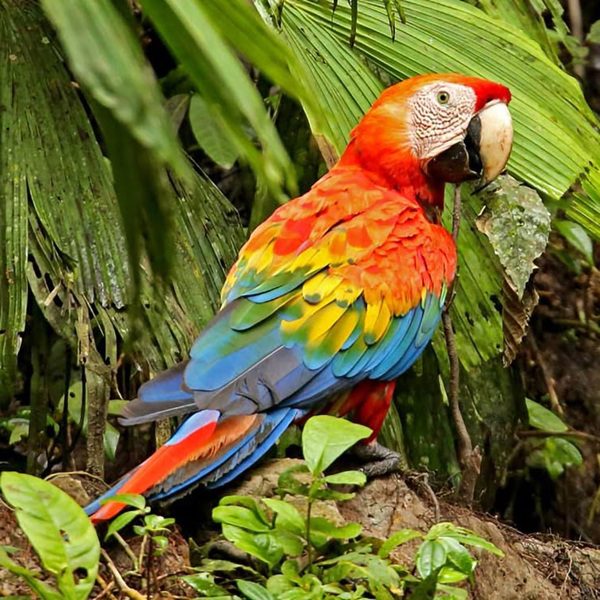
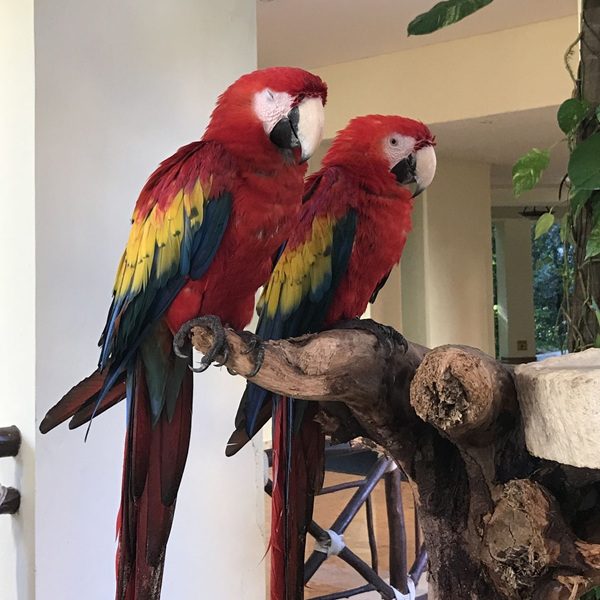
A Scarlet Macaw is instantly recognizable by its brilliant red plumage, which covers much of its body, wings, and exceptionally long tail. Its lower wings feature vivid blue and yellow feathers, creating the colorful combination that makes this macaw so distinctive. The face is creamy white with relatively little feathering, providing a dramatic contrast against its bright red feathers.
The Scarlet Macaw also has a powerful, curved beak specially adapted for its rainforest lifestyle. Its strong beak allows the bird to crack open hard nuts and seeds, which can be difficult for many other birds to access.
Where Do Scarlet Macaws Live?
Scarlet Macaws are native to parts of Central and South America. Their natural range extends from southern Mexico through Central America to areas of Peru, Bolivia, eastern Brazil, and Trinidad.
These colorful parrots are particularly associated with tropical and subtropical forests. They often spend time high in tall trees, including deciduous trees, and can frequently be found in forest areas close to rivers and other water sources.
Scarlet Macaws are highly social birds. Depending on the location and season, they may travel and forage in noisy groups, using their loud calls to communicate with other members of their flock. Their bright colors and powerful voices make them relatively easy to notice when they are flying or feeding high above the forest floor.
Scarlet Macaw Mating and Nesting Behavior
Scarlet Macaws are also known for their strong pair bonds. Mated pairs generally remain closely associated and may mate for life. During the breeding season, they search for suitable nesting cavities, often using holes in dead or mature canopy trees.
Breeding generally occurs between January and April, although the exact timing can vary depending on location and environmental conditions.
A female typically lays up to two eggs, which are incubated and cared for by the parents. Once the chicks hatch, both parents play an important role in raising and protecting their young.
One particularly fascinating aspect of Scarlet Macaw family life is their grooming behavior. Mated adults may spend considerable time preening one another, while parents also groom their offspring. This behavior helps keep feathers clean and healthy while strengthening social bonds within the family.
Why Are Scarlet Macaws So Fascinating?
Beyond their spectacular colors, Scarlet Macaws are admired for their intelligence, powerful beaks, social behavior, and strong family bonds. Their ability to crack hard foods, communicate through loud calls, navigate large forest environments, and maintain close relationships with their mates and offspring makes them remarkable members of the parrot family.
From their vivid red feathers and blue-and-yellow wing markings to their long tails and impressive beaks, Scarlet Macaws are perfectly adapted to life in the tropical forests of the Americas.