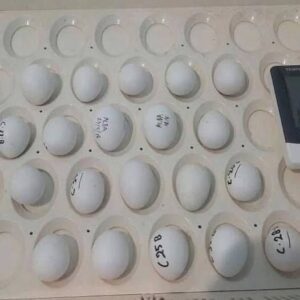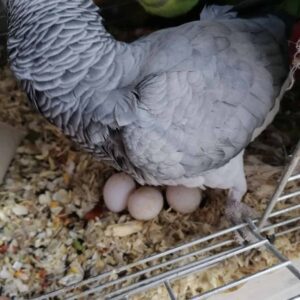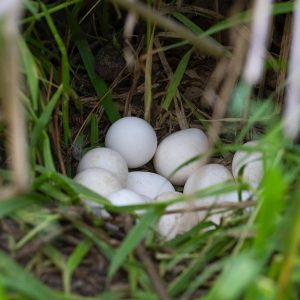
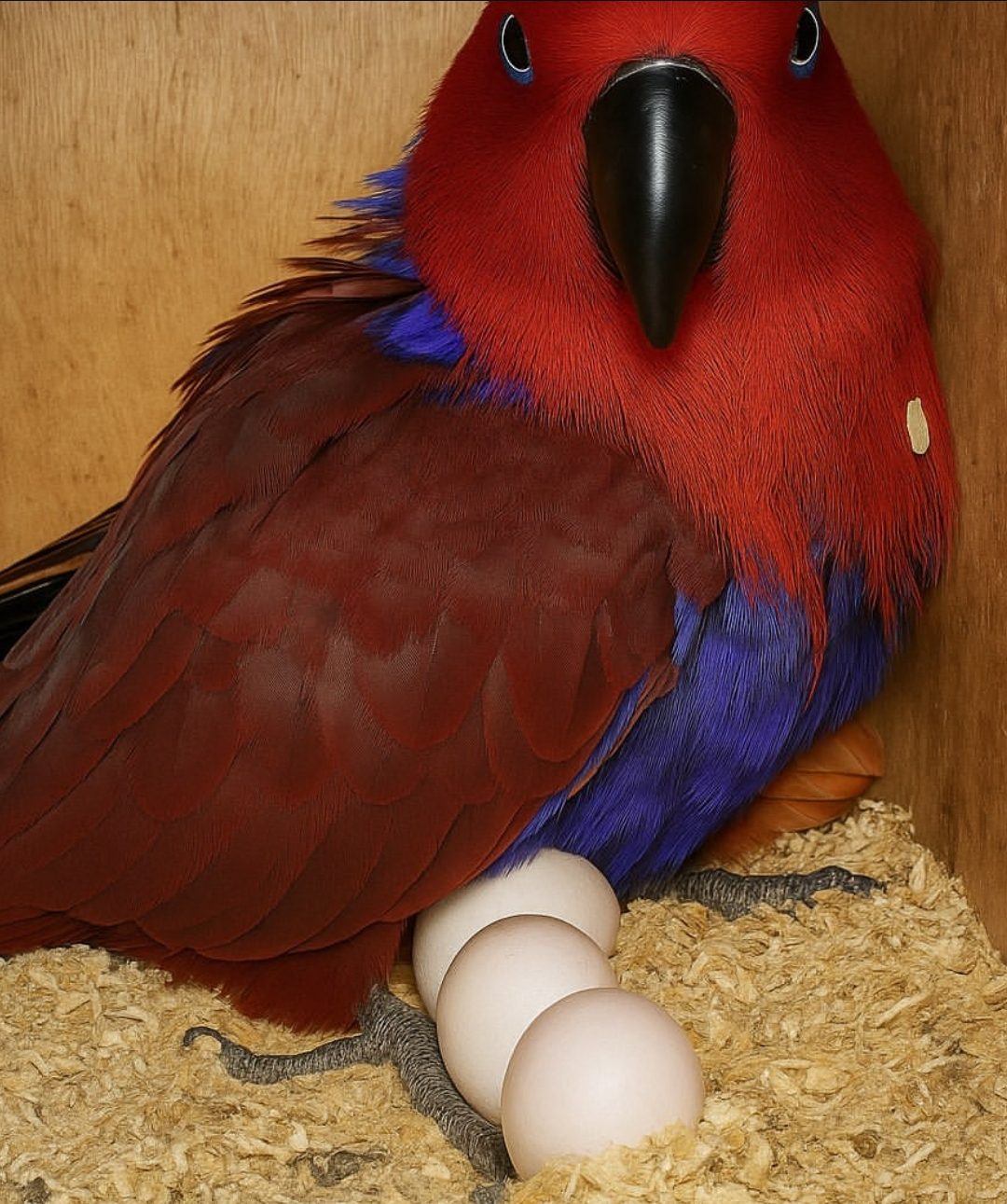
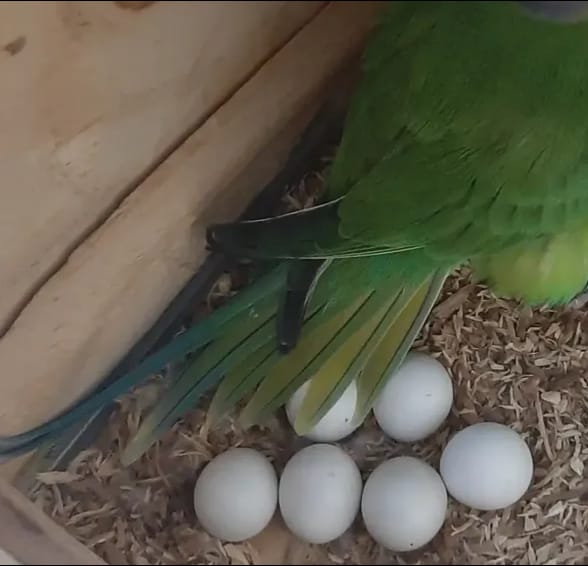
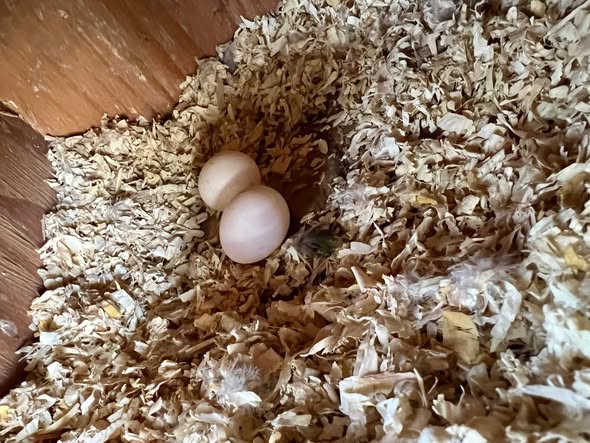
Pionus Parrot Eggs
$50.00
Description
Pionus Parrot Breeding & Care Guide: Everything You Need to Know
Breeding Pionus parrots—renowned for their calm temperament, striking plumage, and intelligent nature—is one of the most rewarding endeavors in aviculture. Whether you are an experienced avian breeder or expanding your exotic bird collection, achieving a high hatchability rate requires proven breeding stock, strict incubation control, and adherence to legal wildlife regulations.
Why Choose Pionus Parrots for Breeding?
Pionus parrots (including popular species like the Blue-headed, Maximilien’s, Bronze-winged, and Dusky Pionus) are highly favored among aviculturists for several reasons:
-
Gentle Temperament: Unlike larger macaws or cockatoos, Pionus parrots are famously even-tempered, affectionate, and independent.
-
Striking Appearance: They showcase vivid iridescent feathers that intensify as they reach adulthood.
-
Compact Size: Their medium size makes them ideal for manageable, specialized breeding environments.
Key Factors for Successful Pionus Egg Incubation
To maximize hatch success and raise strong, healthy chicks, professional breeders focus on four critical areas:
1. Proven Genetic Health & Diet
Healthy chicks begin with well-nourished, bonded parent pairs. Breeding stock fed a balanced, vitamin-rich diet ensures higher fertility rates and optimal eggshell density.
2. Precise Incubation Parameters
-
Temperature: Maintain a steady incubation environment of 37.2°C to 37.5°C (99.0°F to 99.5°F).
-
Humidity: Keep relative humidity between 45% and 55% during incubation, raising it slightly during the hatching phase.
-
Rotation: Automatically or manually turn eggs an odd number of times daily (at least 3 to 5 times) to prevent embryo sticking.
3. Safe Handling & Logistics
Freshly laid eggs require prompt, sterile handling. Transporting live avian eggs involves high risk; localized pickup under temperature-controlled conditions yields the highest survival rate for viable chicks.
4. Legal Compliance & CITES Awareness
Many Pionus species are protected under CITES Appendix II. Legitimate breeders must ensure all eggs and birds come with clear documentation, captive-bred certification, and compliance with local wildlife laws.
Essential Checklist for Avian Hobbyists & Breeders
| Feature | Details & Best Practices |
| Species Variety | Blue-headed, Bronze-winged, Maximilien’s, Dusky Pionus |
| Incubation Period | Typically 24 to 28 days |
| Diet Support | High-calcium pelleted food & fresh greens for laying hens |
| Legality | CITES-compliant, verified captive-bred provenance |
Frequently Asked Questions (FAQ)
Can parrot eggs be safely shipped in the mail?
Shipping fertile parrot eggs via standard postal services has an extremely high failure rate due to vibration, ambient temperature fluctuations, and air pressure changes. Most experts recommend obtaining eggs or hand-reared chicks directly from local, accredited breeders.
How do I verify if a Pionus egg is fertile?
After 5 to 7 days of incubation, perform “candling” using a concentrated LED light source in a dark room. Fertile eggs will display a visible network of tiny red blood vessels and an embryonic spot.