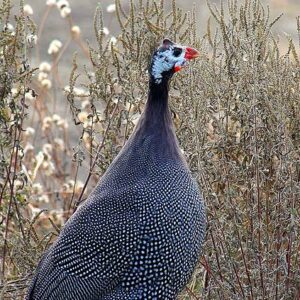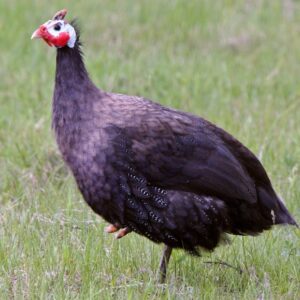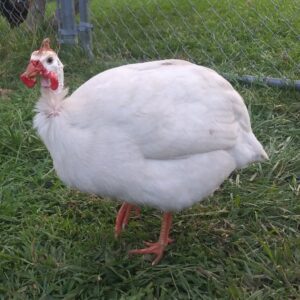
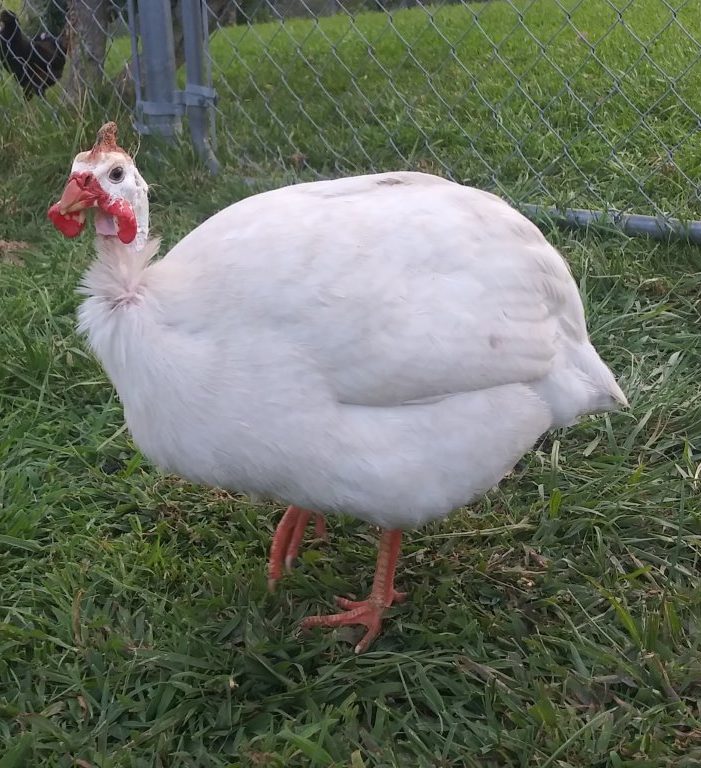
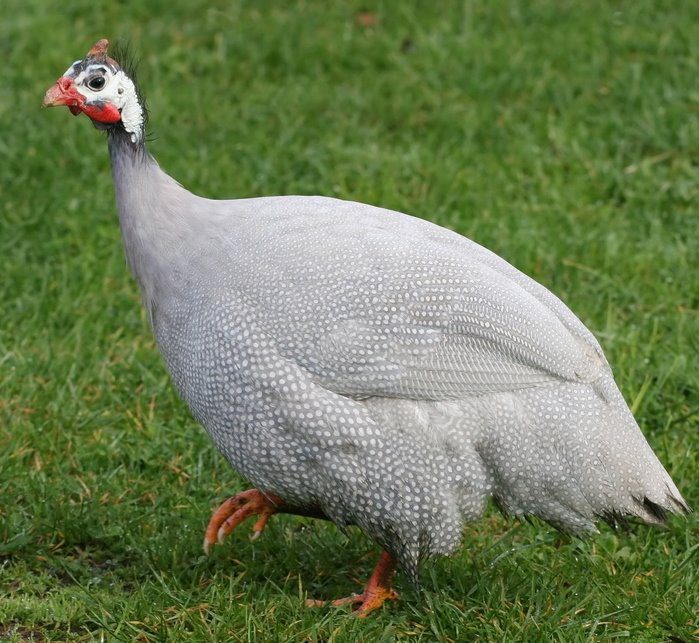
Lavender Guinea Fowl for Sale
Poultry Show Class: Helmeted Guinea Fowl
- Weight:
- Hens: 3 to 4 lbs
- Cocks: 4 to 5 lbs
- Pullets: about 3 lbs
- Cockerels: about 3½ lbs
- Purpose and Type: Dual-purpose bird raised for eggs and meat, and also shown in exhibitions
- Egg Color: Dark, with spots
- Egg Production: Fairly good, roughly 60 to 100 eggs per year
- Egg Size: Small
- Temperament: Lively and energetic
- Fertility Rate: 60% to 75%
- Broodiness: Known to sit on and hatch eggs
- Recommended Mating Ratio: 9 hens for every 1 male
- Roosting Height: At least 4 feet off the ground
- Place of Origin: West Africa
- APA Recognition: Not recognized
- TLC Recognition: Not recognized
Description
Lavender Guinea Fowl for Sale: The Ultimate Natural Pest Control & Farmyard Alarm
If you are searching for a practical, low-maintenance bird that doubles as a striking yard feature, the Lavender Guinea Fowl is an outstanding choice. Recognized for their soft, slate-blue-gray feathers and tireless foraging habits, these hardy birds are world-renowned for keeping farmyards, pastures, and homesteads free of ticks, bugs, and snakes.
Why Choose Lavender Guinea Fowls for Your Homestead?
Lavender Guineas offer a unique mix of utility, beauty, and independence. Adding a flock to your property comes with several distinct advantages:
-
Natural Tick & Pest Control: Guineas are voracious foragers. They relentlessly hunt down deer ticks, beetles, grasshoppers, and small pests without scratching up lawn roots or garden beds the way chickens do.
-
Effective Farm Alarm System: Highly alert and inherently protective of their flock, Lavender Guineas raise a loud, distinct alarm call the moment a predator, stray animal, or stranger enters the property.
-
Stunning Soft-Blue Plumage: The Lavender variety features a beautiful, even blue-gray coloration with light, subtle pearling, making them one of the most attractive ornamental guinea varieties available.
-
High Foraging Independence: Guineas prefer free-ranging and actively source a large portion of their own food from your pasture, saving you money on feed during warm weather months.
Understanding Guinea Fowl: History and Natural Instincts
While often raised alongside domestic poultry, guinea fowl are not chickens. They are active, wild-natured, highly gregarious birds that originate from the grasslands of West Africa.
Their rich history spans thousands of years:
-
Ancient Roots: Historical records trace domestic guinea fowl back to ancient Egypt as far back as 2400 B.C.
-
A Historical Delicacy: By 400 B.C., the ancient Greeks prized guinea fowl meat and eggs as rich delicacies—a culinary reputation that persists across Europe today.
-
Modern Breeding Heritage: Renowned hatcheries like Cackle Hatchery® have carefully developed and refined distinct bloodlines of Lavender, Pearl, White, and Royal Purple varieties since 1977, ensuring healthy, hardy, and high-quality stock.
Quick Breed Overview: Lavender Guinea Fowl
| Feature | Description |
| Primary Use | Pest Control, Farm Security, Meat, Eggs |
| Plumage Color | Light lavender blue-gray with subtle white specks |
| Temperament | Active, alert, flock-oriented, independent |
| Noise Level | High (Vocal alarm callers) |
| Foraging Ability | Exceptional (Top-tier tick hunter) |
Frequently Asked Questions (FAQs)
Are Lavender Guinea Fowl noisy?
Yes. Guineas use loud, distinct vocalizations to communicate with their flock and alert owners to potential threats or unusual movements nearby.
Do Lavender Guineas get along with chickens?
Yes, they can share a run or pasture with chickens, provided they have ample space. However, because guineas are more dominant and active, it is best to raise them together from a young age.
How many guineas should I keep together?
Guineas have powerful flocking instincts and thrive in groups. It is recommended to keep a minimum flock of 6 to 8 birds so they feel secure and stay together while free-ranging.
Ready to Protect Your Property Naturally?
Bring home Lavender Guinea Fowl today to enjoy natural tick management, enhanced farm security, and a stunning flock of historical birds. Check current seasonal availability for day-old keets or started birds!