
Female Spix’s Macaw Parrots For Sale
$3,500.00
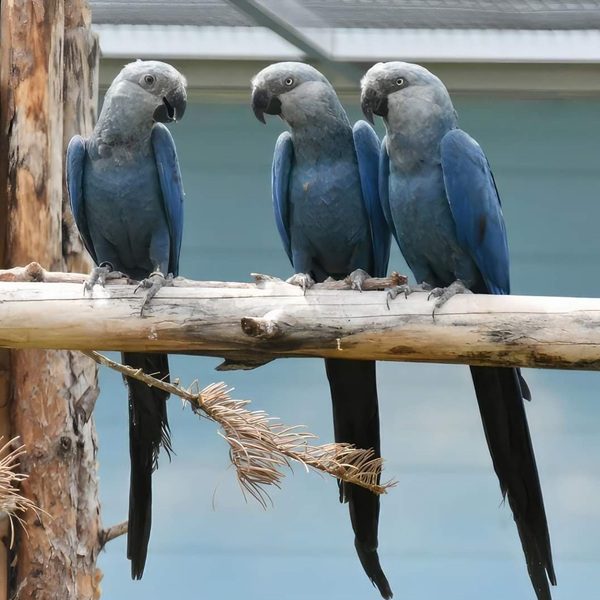
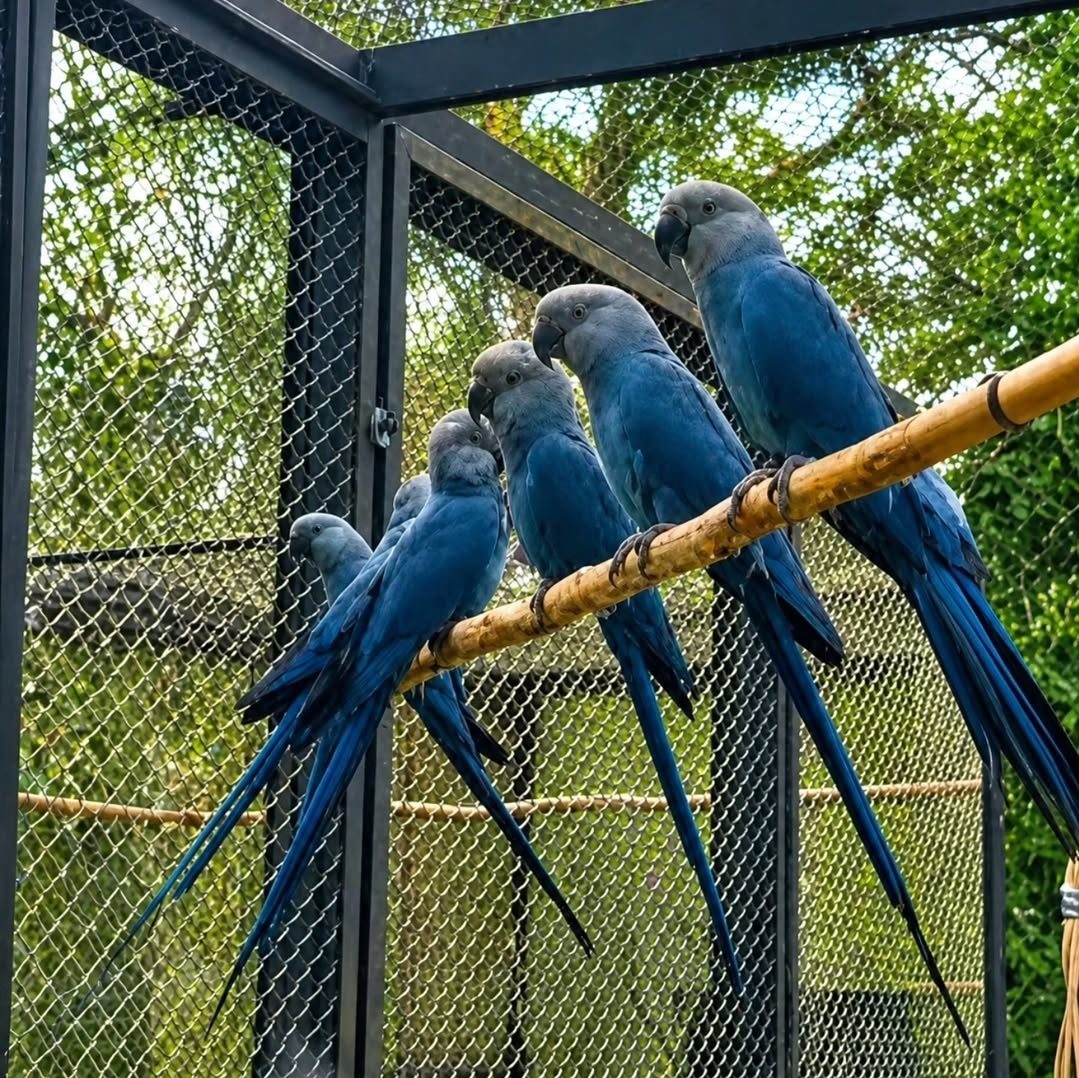
Meet our beautiful Female Spix’s Macaw Parrot for Sale, aged 1 year and 8 months old. Known for her stunning blue plumage, remarkable intelligence, and curious personality, this young Spix’s Macaw is a truly exceptional bird. She is growing through an important stage of development and deserves attentive care, proper nutrition, and a spacious, enriching environment. Spix’s Macaws are critically endangered, making responsible conservation, legal documentation, and ethical breeding essential. A remarkable choice for qualified conservation programs and experienced parrot enthusiasts.
Description
Spix’s Macaw Parrot: The Rare Blue Macaw, Characteristics, Intelligence & Conservation
The Spix’s Macaw (Cyanopsitta spixii) is one of the world’s most remarkable and recognizable parrots. Famous for its brilliant blue plumage, remarkable intelligence, and extraordinary conservation story, this rare Brazilian macaw has attracted the attention of bird enthusiasts, conservationists, and wildlife researchers around the world.
Sometimes called the Little Blue Macaw, the Spix’s Macaw is a small-to-medium-sized macaw distinguished by its vivid blue feathers, dark facial markings, and long tail. Its rarity makes it particularly important to global parrot conservation efforts.
What Does a Spix’s Macaw Look Like?
The Spix’s Macaw is best known for its striking blue coloration. Its plumage ranges from deeper blue on the wings and tail to lighter blue shades across parts of the body. The bird also has a distinctive dark facial area surrounding the eyes and beak.
Its elegant appearance has made the species one of the most recognizable rare parrots in the world.
Key Physical Characteristics
- Species: Spix’s Macaw
- Scientific name: Cyanopsitta spixii
- Common name: Little Blue Macaw
- Family: Psittacidae
- Native region: Brazil
- Primary habitat: Caatinga and associated dry woodland habitats
- Coloration: Predominantly blue plumage with darker facial features
- Diet: Primarily seeds, fruits, vegetation, and other available plant material
How Intelligent Is a Spix’s Macaw?
Like many macaws, Spix’s Macaws are highly intelligent birds. Parrots possess sophisticated learning abilities and can recognize patterns, interact with their environment, and learn vocalizations.
Their intelligence is one reason parrots require substantial mental stimulation and specialized care. A suitable environment includes opportunities for natural behaviors, enrichment, social interaction, exercise, and foraging.
Spix’s Macaw Personality and Behavior
Spix’s Macaws are social parrots with complex behaviors and strong social bonds. In conservation settings, individual birds may demonstrate distinctive personalities and behavioral preferences.
However, describing any Spix’s Macaw as automatically “gentle,” “easy to handle,” or suitable as a household companion can be misleading. Individual behavior depends on factors including socialization, environment, previous experiences, health, and husbandry.
For anyone interested in this species, learning about its natural behavior and conservation requirements is more important than simply considering its appearance.
Why Is the Spix’s Macaw So Rare?
The Spix’s Macaw became one of the world’s best-known conservation symbols because of the dramatic decline of its wild population.
Habitat loss, historical trapping and illegal wildlife trade, and other environmental pressures contributed to the species’ decline. The species was subsequently considered extinct in the wild for a period before conservation efforts supported its reintroduction program.
Today, conservation breeding, habitat restoration, scientific research, and carefully managed reintroduction efforts are central to the species’ recovery.
Spix’s Macaw Conservation Efforts
The story of the Spix’s Macaw demonstrates how coordinated conservation programs can help protect critically endangered wildlife.
Conservation organizations and governmental authorities have worked on captive breeding, genetic management, habitat protection, research, and reintroduction initiatives.
These efforts are particularly important because maintaining genetic diversity and establishing sustainable wild populations are long-term conservation challenges.
Male and Female Spix’s Macaws
Spix’s Macaws are male and female birds of the same species, but visual identification of sex can be difficult because males and females are not reliably distinguished by obvious external differences.
Professional conservation programs may use appropriate veterinary or genetic methods when determining the sex of individual birds.
Rather than focusing solely on whether a bird is male or female, responsible conservation places emphasis on genetic diversity, breeding compatibility, health, welfare, and the long-term survival of the species.
Can You Own a Spix’s Macaw?
Spix’s Macaw is not an ordinary pet parrot. Because of its extremely limited population and conservation status, possession, breeding, transport, importation, and international trade can be subject to strict laws and permits.
Anyone researching the species should verify applicable wildlife regulations with the relevant national authorities and conservation organizations before considering any transaction involving a Spix’s Macaw.
A legitimate conservation program should be able to provide appropriate documentation concerning the bird’s legal status, origin, identification, and applicable permits.
Why the Spix’s Macaw Matters
The Spix’s Macaw represents more than an exceptionally beautiful parrot. Its history illustrates the consequences of habitat destruction and wildlife trafficking while also demonstrating the potential of coordinated conservation.
Protecting this species requires more than preserving individual birds. Long-term recovery depends on protecting suitable habitat, maintaining healthy populations, preserving genetic diversity, supporting scientific research, and preventing illegal wildlife trafficking.
Frequently Asked Questions About Spix’s Macaws
What is a Spix’s Macaw?
The Spix’s Macaw (Cyanopsitta spixii) is a rare blue macaw native to Brazil and one of the world’s most recognized critically endangered parrots.
Why is the Spix’s Macaw famous?
The species became famous because of its brilliant blue appearance, extreme rarity, and international conservation efforts aimed at restoring its population.
Is the Spix’s Macaw extinct?
The Spix’s Macaw was considered extinct in the wild for a period. Conservation programs subsequently supported breeding and reintroduction efforts designed to restore wild populations.
What does a Spix’s Macaw eat?
Its natural diet includes plant-based foods such as seeds, fruits, and other vegetation available within its native ecosystem.
Are male and female Spix’s Macaws different colors?
Males and females generally have very similar external appearances, making reliable visual sex identification difficult.
Can Spix’s Macaws be kept as pets?
Because of the species’ conservation status and legal protections, Spix’s Macaws should not be treated like an ordinary commercially available pet parrot. Any possession, breeding, movement, or trade must comply with applicable wildlife laws and conservation requirements.
Final Thoughts
The Spix’s Macaw is one of the world’s most extraordinary rare parrots, combining spectacular blue plumage with remarkable intelligence and a compelling conservation history.
For bird lovers, the most meaningful way to appreciate this species is to learn about its biology, natural habitat, conservation challenges, and recovery efforts. Supporting legitimate conservation initiatives and responsible wildlife protection can help ensure that future generations have the opportunity to see the Little Blue Macaw thriving in its natural environment.
