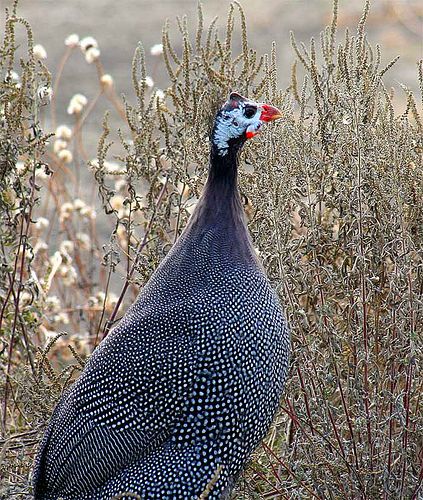
Pearl Grey Guinea For Sale
Helmeted Guinea Fowl: Breed Facts
Poultry Show Class: Helmeted Guinea Fowl
Weights
- Hen: 3 to 4 lbs
- Cock: 4 to 5 lbs
- Pullet: 3 lbs
- Cockerel: 3½ lbs
Purpose and Type: Dual-purpose (eggs and meat); also kept for exhibition
Egg Color: Dark, with spots
Egg Production: Good, roughly 60 to 100 eggs per year
Egg Size: Small
Temperament: Active
Fertility Rate: 60 to 75%
Broodiness: Known to set (hens will sit on eggs)
Recommended Mating Ratio: 9 females per male
Roost Height: 4 feet or higher
Country of Origin: Western Africa
APA Recognized: No
TLC Listed: No
Description
The Pearl Grey Guinea Fowl: Ultimate Guide to Characteristics, Care, and Pest Control
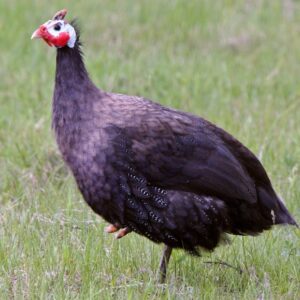
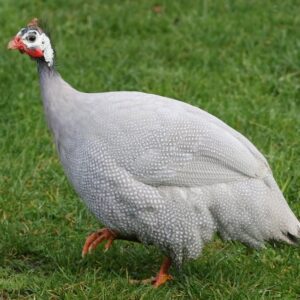
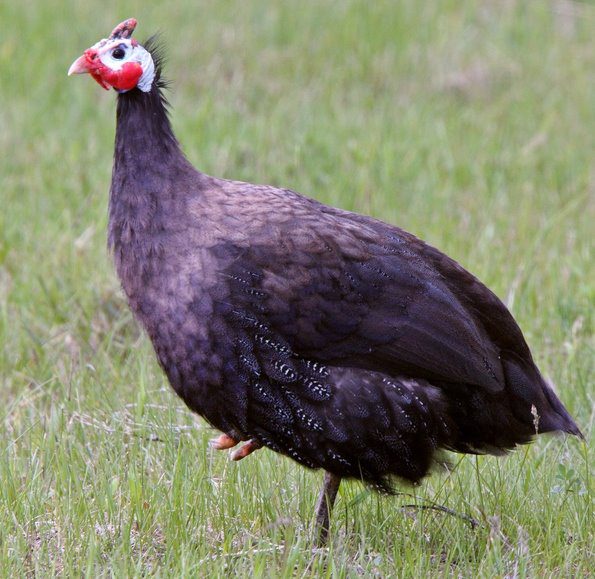
If you are looking for an alert, self-sufficient bird that protects your property from pests and doubles as an active farmyard watchman, the Pearl Grey Guinea Fowl is the industry standard. Known for their striking dark grey plumage covered in tiny, pearl-like white spots, Pearl Grey Guineas are the most popular, practical, and traditional variety of guinea fowl for homesteads, gardens, pastures, and orchards.
What Makes Pearl Grey Guineas the Top Choice for Homesteads?
Unlike standard chickens, guinea fowl are semi-wild, highly flock-oriented birds driven by strong natural instincts. Pearl Grey Guineas excel as natural pest controllers and watchdogs, making them an invaluable addition to any multi-purpose farm or homestead.
Primary Benefits of Pearl Grey Guinea Fowl:
-
Exceptional Foragers: They tirelessly hunt for tick species, mosquitoes, beetles, snakes, and unwanted garden bugs without tearing up landscaping like chickens often do.
-
Natural Alarm System: Pearl Greys are famously vocal and vigilant. They instantly sound a distinct alarm call whenever unusual activity, strange sounds, or predators approach your property.
-
Low Maintenance: Once established, these birds prefer to forage for a large percentage of their daily food, keeping feed costs noticeably lower during warmer months.
Appearance and Characteristics of the Pearl Grey Variety
The Pearl Grey is the classic color pattern most people picture when they think of guinea fowl.
-
Plumage: Deep charcoal-to-dark grey background decorated with uniform, crisp white speckles (the “pearls”).
-
Behavior: Highly energetic, fast on their feet, and strongly wired to stick together in tight-knit groups.
-
Temperament: They are wilder and louder than standard poultry, fitting best with owners who want functional working birds rather than quiet lap pets. However, when raised from young keets and handled regularly, Pearl Greys easily adapt to their owners and learn daily feeding routines.
Sourcing and Ordering Pearl Grey Guinea Keets
When ordering baby guinea fowl (known as keets), keep a few key production standards in mind:
-
Straight-Run Only: Guinea keets are typically sold unsexed (not-sexed) because sexing young guinea fowl accurately is notoriously difficult. Males and females look and act almost identically as keets.
-
Seasonal Hatching Availability: Guineas are seasonal layers. Major hatcheries produce and ship thousands of guinea keets weekly during their primary season, which runs from May through August.
-
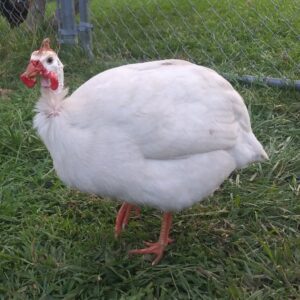
Color Options: While the Pearl Grey remains the undisputed customer favorite, other widely kept color varieties include the White African, Royal Purple, and Lavender Guinea Fowl.
Quick Comparison: Guinea Fowl vs. Standard Chickens
| Feature | Pearl Grey Guinea Fowl | Standard Backyard Chickens |
| Primary Role | Pest control (ticks/bugs), watchdog | Egg production, meat, quiet pets |
| Foraging Impact | High bug consumption, minimal garden damage | High bug consumption, heavy soil scratching |
| Noise Level | Loud, frequent alarm calls | Low to moderate daily clucking |
| Social Structure | Tight, synchronized flocking behavior | Established pecking order |
Frequently Asked Questions
Are Pearl Grey Guineas hard to keep on a property?
They require secure coop training for the first few weeks so they learn where “home” is. Once roosting habits are established, they range freely during the day and return to their shelter at dusk.
Can you tame Pearl Grey Guineas?
Yes. Raising them from keets with frequent, calm human interaction and treat routines helps them recognize you, reducing skittishness while preserving their sharp protective instincts.