
Aracari Toucan For Sale
$2,000.00
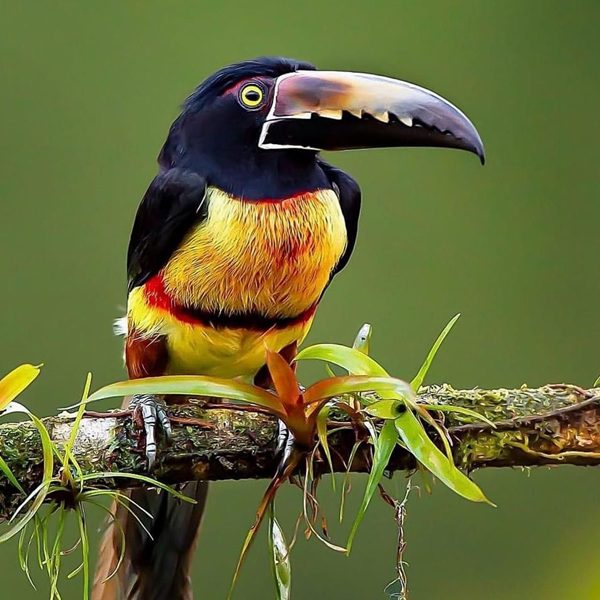
Aracaris (also spelt araçaris) are medium-sized toucans in the genus Pteroglossus. The group also includes the saffron toucanet. They are known for vivid plumage and oversized bills with bold, contrasting patterns. Aracaris live year-round in the forests and woodlands of the Neotropics, the tropical region of Central and South America.
Aracari Classification at a Glance
| Rank | Classification |
|---|---|
| Order | Piciformes |
| Family | Ramphastidae (toucans) |
| Genus | Pteroglossus (Illiger, 1811) |
| Common name | Aracari / araçari |
| Habitat | Tropical forests and woodlands of the Neotropics |
Description
Aracari Birds: The Social, Fruit-Loving Toucans of the Tropics
Aracaris are small, colorful members of the toucan family, known for their big bills, close-knit family groups, and loud calls. Here is what makes them so interesting.
Where Do Aracari Birds Live?
Aracaris are native to the tropical forests and woodlands of Central and South America. They are especially easy to spot in Costa Rica, but their range stretches well beyond it. They are non-migratory, so many aracaris stay in the same patch of forest for life, and some even keep using the same tree where they hatched.
Do Aracaris Live in Flocks?
Yes. Aracaris are highly social. They roost together in tree cavities at night, often with up to six adults sharing one hollow. To save space, they fold their long tails over their backs.
Flocks are usually small, typically up to six adults plus the current chicks. These groups are often a breeding pair along with their offspring from earlier seasons. Unusually for tropical birds, those older siblings help feed and raise the new chicks until they fledge.
How Do Aracaris Nest and Breed?
- Nest site: tree cavities, usually in dead or decaying wood
- In captivity: palm logs are preferred, because the birds can dig deep nest chambers
- Eggs: 2 to 4 white, oval eggs per clutch
- Breeding season: roughly February to June
- Fledging: chicks leave the nest at about 40 to 42 days old
What Do Aracaris Eat?
Fruit is the staple of the aracari diet. Their long bills let them reach fruit on thin branches that can’t hold their weight. They also eat insects, lizards, small animals, and occasionally the eggs or young of other birds.
What Is the Aracari’s Bill For?
The bill may look intimidating, but it is mostly a feeding tool rather than a weapon. Its main job is reaching and plucking fruit. Any deterrent effect on predators is a bonus at best.
Is Their Colouring Camouflage?
Their slim bodies and colouring can blend into the foliage, but researchers suspect this is a happy accident rather than an evolved defence. Aracaris call loudly and often, which makes them easy to locate.
Quick Facts: Aracari at a Glance
| Feature | Detail |
|---|---|
| Family | Ramphastidae (toucans) |
| Range | Central and South America |
| Migration | Non-migratory |
| Group size | Up to 6 adults plus young |
| Clutch size | 2 to 4 eggs |
| Breeding season | February to June |
| Fledging age | 40 to 42 days |
| Diet | Mainly fruit, plus insects, lizards, and eggs or nestlings |
FAQ
Are aracaris toucans?
Yes. They are a smaller toucan group, usually grouped under the name “aracari.”
Do aracaris migrate?
No. They tend to stay in the same forest territory year-round.
How many eggs do aracaris lay?
Usually 2 to 4 white eggs per clutch.
Why do aracaris sleep together?
Sharing tree cavities gives them warmth and protection overnight.