
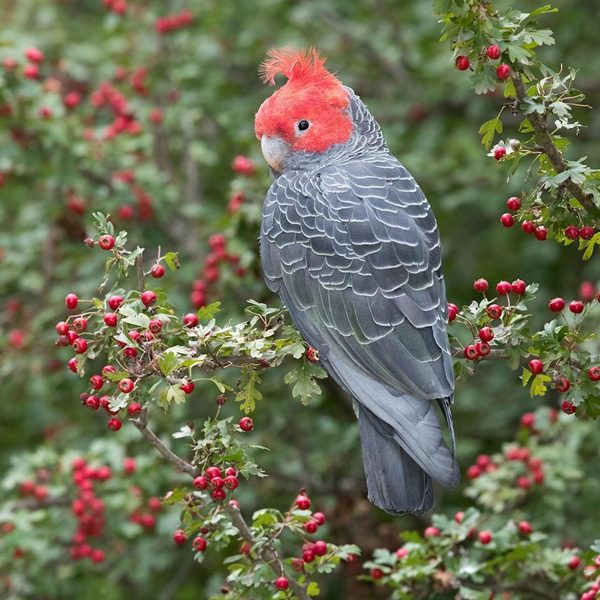

Black Palm Cockatoo Parrots – Males & Females | Captive-Bred Birds
$15,500.00
Black Palm Cockatoos – Males & Females Available (1 Year, 5 Months Old)
Discover the striking beauty and captivating personality of our Black Palm Cockatoos, with both males and females available. At just 1 year and 5 months old, these rare and exotic birds are fully vaccinated and in excellent health. Known for their intelligence, affection, and sociable nature, they make wonderful companions for families, breeders, or dedicated exotic bird enthusiasts seeking a truly special addition to their flock.
With their striking black feathers, red cheek patches, and majestic crest, these cockatoos are not only beautiful but also highly interactive and playful. Add a rare gem to your aviary today and enjoy a lifelong bond with these exceptional birds!
Description
Black Palm Cockatoo Parrots – Males & Females
The Black Palm Cockatoo is one of the most distinctive and impressive cockatoo species in the world. Known for its dramatic black plumage, powerful curved beak, striking red facial patch, and impressive crest, this remarkable parrot has a presence that is difficult to overlook.
For experienced aviculturists and responsible bird enthusiasts, the Black Palm Cockatoo can be an extraordinary species to learn about and care for. Both male and female Black Palm Cockatoos are highly intelligent, observant, and socially complex birds that require specialized care, plenty of space, enrichment, and a long-term commitment.
If you are researching Black Palm Cockatoos for responsible ownership, captive breeding, or an established aviary, this guide provides an overview of their appearance, behavior, care requirements, lifespan, and legal considerations.
About the Black Palm Cockatoo
The Black Palm Cockatoo, scientifically known as Probosciger aterrimus, is a large cockatoo recognized for its almost entirely black coloration and distinctive red cheek patch.
Unlike many smaller parrots, Palm Cockatoos have a powerful appearance and a highly specialized lifestyle. Their intelligence, strong personality, vocal ability, and impressive physical features make them particularly fascinating to experienced bird keepers.
The species requires considerably more attention and specialized husbandry than many commonly kept companion parrots. Prospective owners should therefore understand the bird’s space, dietary, enrichment, social, veterinary, and legal requirements before considering ownership.
Black Palm Cockatoo Appearance
One of the first things people notice about a Black Palm Cockatoo is its dramatic appearance.
Key physical characteristics include:
- Deep black or charcoal-colored feathers
- A prominent crest
- A large, powerful beak
- Distinctive red facial or cheek coloration
- Strong feet and claws adapted for climbing and handling food
- A large body compared with many other companion parrots
The combination of black plumage and the contrasting red facial patch gives this cockatoo its unmistakable appearance.
Male and Female Black Palm Cockatoos
Both male and female Black Palm Cockatoos are impressive birds, but determining sex should not be based solely on visual assumptions.
For breeding programs or managed aviaries where sex is important, prospective keepers should request reliable documentation and appropriate veterinary or genetic sexing information where available.
If birds are being transferred internationally, buyers should also confirm the required documentation, permits, import requirements, and applicable wildlife regulations before making arrangements.
Black Palm Cockatoo Personality and Intelligence
Black Palm Cockatoos are intelligent birds with complex behavioral and social needs.
They can be curious, observant, vocal, and highly interactive. Like other intelligent parrots, they benefit from an environment that provides opportunities to investigate, manipulate, forage, climb, and solve problems.
A suitable enrichment program may include:
- Durable bird-safe toys
- Foraging activities
- Natural climbing opportunities
- Training and positive-reinforcement exercises
- Regular interaction
- Rotating enrichment to prevent boredom
- A spacious and appropriately designed aviary
Their intelligence is one of their most appealing characteristics, but it also means they should not be treated as decorative birds. A Palm Cockatoo requires meaningful daily care and mental stimulation.
Black Palm Cockatoo Care Requirements
Caring for a Black Palm Cockatoo is a serious long-term responsibility.
Because of their size, strength, intelligence, and specialized needs, they require considerably more preparation than many smaller parrots.
Spacious Housing
A properly designed aviary or enclosure should provide enough room for the bird to move, climb, stretch its wings, and exercise comfortably.
The enclosure should be secure and constructed from materials suitable for a powerful parrot. Perches should be appropriately sized and positioned to encourage natural movement.
Nutrition
A professionally formulated parrot diet should form the foundation of a balanced feeding program, supplemented as appropriate under guidance from an avian veterinarian.
Fresh foods may be incorporated according to the bird’s individual nutritional requirements. Clean drinking water should always be available.
Because nutritional needs can vary according to age, health, activity level, and breeding status, professional veterinary guidance is recommended.
Mental Stimulation
Intelligent cockatoos require regular mental stimulation.
Providing safe opportunities for chewing, foraging, exploration, training, and problem-solving can help create a more enriching environment.
Positive-reinforcement training can also help establish communication and build a stronger relationship between the bird and its keeper.
Black Palm Cockatoo Lifespan
Palm Cockatoos are long-lived parrots and should be viewed as a decades-long commitment rather than a short-term pet.
Actual lifespan can vary according to genetics, nutrition, veterinary care, housing, environmental conditions, and overall husbandry. Rather than relying on a single lifespan figure, prospective keepers should plan for long-term care throughout the bird’s life.
Is a Black Palm Cockatoo a Good Pet?
A Black Palm Cockatoo is generally better suited to experienced parrot keepers and specialized aviculturists than to first-time bird owners.
Before acquiring one, consider whether you can provide:
- A secure and spacious aviary
- A suitable long-term diet
- Daily enrichment and interaction
- Access to qualified avian veterinary care
- Appropriate social and behavioral management
- Long-term financial commitment
- Legally compliant ownership and transportation
- Proper documentation for the individual bird
Their beauty and intelligence are exceptional, but responsible ownership requires significant preparation.
Responsible Captive-Bred Black Palm Cockatoos
For anyone considering acquiring a Black Palm Cockatoo, provenance is an important part of responsible aviculture.
Where legally available, prospective keepers should prioritize birds with clear documentation showing their lawful origin and captive-bred status. Buyers should also verify identification records, health information, ownership documentation, and any permits required by the relevant authorities.
International movement of protected wildlife can involve additional CITES and national requirements. CITES maintains an official database of international wildlife trade records, making regulatory compliance an important consideration when purchasing or transporting protected species.
Do not purchase a bird simply because it is advertised as “rare,” “exotic,” or “available.” Responsible buyers should verify the bird’s legal provenance and documentation before proceeding.
Black Palm Cockatoo for Experienced Aviculturists
For established aviaries and experienced aviculturists, the Black Palm Cockatoo represents a highly specialized species that requires thoughtful planning.
Its distinctive appearance, intelligence, powerful personality, and specialized husbandry requirements make it particularly important to work with knowledgeable breeders, avian veterinarians, and relevant wildlife authorities.
For breeding programs, keepers should maintain accurate records relating to each bird’s identity, sex, origin, health history, and breeding history.
Frequently Asked Questions About Black Palm Cockatoos
What is a Black Palm Cockatoo?
The Black Palm Cockatoo is a large cockatoo species scientifically known as Probosciger aterrimus. It is recognized for its dark plumage, prominent crest, large beak, and distinctive red facial patch.
Are male and female Black Palm Cockatoos available?
Captive-bred Black Palm Cockatoos may be available through appropriately licensed and documented sources depending on location and applicable wildlife regulations. Sex should be confirmed through reliable documentation or appropriate testing rather than appearance alone.
How long does a Black Palm Cockatoo live?
Palm Cockatoos are long-lived parrots and can require decades of care. Lifespan depends on genetics, nutrition, veterinary care, housing, and overall husbandry.
Are Black Palm Cockatoos suitable for beginners?
They are generally more appropriate for experienced parrot keepers and specialized aviculturists because of their size, intelligence, strength, space requirements, and long-term care needs.
What do Black Palm Cockatoos eat?
Their diet should be carefully balanced and appropriate for a large cockatoo. A professionally formulated diet, suitable fresh foods, and constant access to clean water are important components of responsible care. An avian veterinarian can help develop an appropriate feeding plan.
Do Black Palm Cockatoos need a large aviary?
Yes. Their size, strength, activity level, and natural behaviors mean that they require spacious, secure housing designed specifically for large parrots.
Are Black Palm Cockatoos protected?
Wildlife protection and trade requirements depend on the species, population, country, and circumstances of possession or movement. International wildlife trade may be regulated under CITES, while additional national and local laws can apply. Prospective owners should verify current requirements with the relevant wildlife authority before acquiring or transporting a bird.
Responsible Black Palm Cockatoo Ownership
A Black Palm Cockatoo is much more than an exotic-looking bird. It is a highly intelligent, long-lived animal that requires specialized housing, nutrition, enrichment, veterinary care, and responsible lifelong management.
If you are researching Black Palm Cockatoos, male and female Palm Cockatoos, captive-bred cockatoos, Palm Cockatoo care, or responsible aviculture, understanding these requirements is an essential first step.
Always verify the bird’s provenance, health documentation, identification, and applicable legal requirements before entering into a purchase or transfer.
Important: Availability, ownership, breeding, sale, import, export, and transportation of Black Palm Cockatoos can be subject to wildlife and CITES regulations. Requirements vary by jurisdiction and can change, so verify current requirements with the appropriate authorities before proceeding.
Additional information
| Payment Method | Bitcoin, MoneyGram, Western Union, Wire Transfer |
|---|